


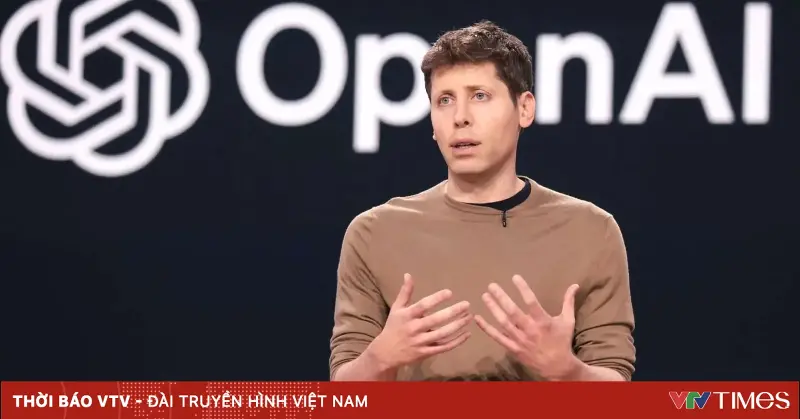
In an interview with CNBC, Open AI CEO Sam Altman shared his thoughts on current events, including how AI will impact human jobs, in the context of mass layoffs at many companies due to the application of artificial intelligence.
"The companies I know that are applying AI the most are also the companies that are hiring the most. And generally, the companies that talk about cutting staff because of AI are the ones that are applying AI the least," said Sam Altman.
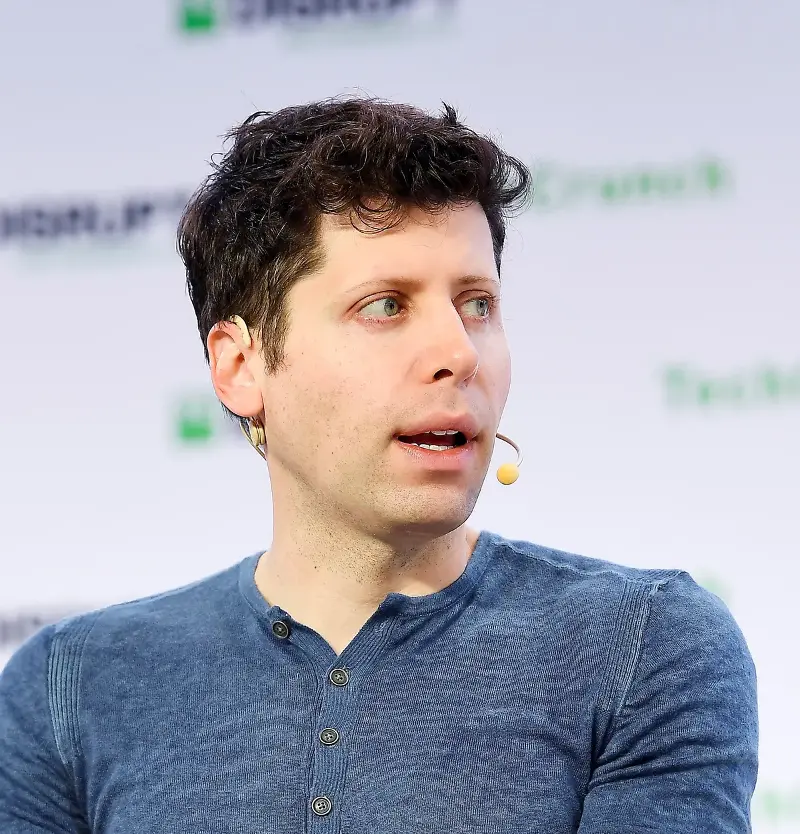
Open AI founder Sam Altman
He argued that the AI industry had "underestimated" the potential and that humans would remain central "in everything, including in a human-based economy ."
This story comes as many major tech companies are carrying out mass layoffs due to the application of artificial intelligence. Meta is the most recent example.
Starting May 20th, Meta has cut approximately 10% of its workforce, equivalent to about 8,000 jobs. The company has also canceled recruitment plans for 6,000 remaining vacant positions.
This downsizing follows Meta's decision to cut approximately 1,000 jobs in its Reality Labs division in January and hundreds more in March. The company also decided to reduce its reliance on third-party vendors and contractors for content moderation.
Facing questions surrounding concerns about "AI taking away jobs," Altman argues that the AI industry needs to improve its communication to mitigate negative reactions regarding the technology's impact on society.
"I think, as an industry, we haven't clearly demonstrated that people still control shaping the future at every stage, while still being able to have a meaningful life in ways that we value," the tech billionaire said.
Altman called this a "huge challenge" for the AI industry, but argued that society's somewhat hesitant attitude toward such rapid change is a positive thing.
"I'm not interested in an AI system pursuing non-human goals," he said. "This technology must serve humanity, put humans at the center, and promote human values."
AI will always operate in "background" mode.
During the conversation, Altman also emphasized that AI systems will become increasingly intelligent and useful over time, to the point where they can function as an always-on application, assisting users in their daily tasks.
"Currently, you still have to send requests to the AI, and the AI will perform the task and return a response. But in the very near future, AI will always be running in the background, accessing all your information, understanding your context, and doing everything it can to help you," said Sam Altman.
He gave an example from his own work, where an AI application can analyze large amounts of internal data, then summarize the information and offer "advice" on important points to pay attention to.
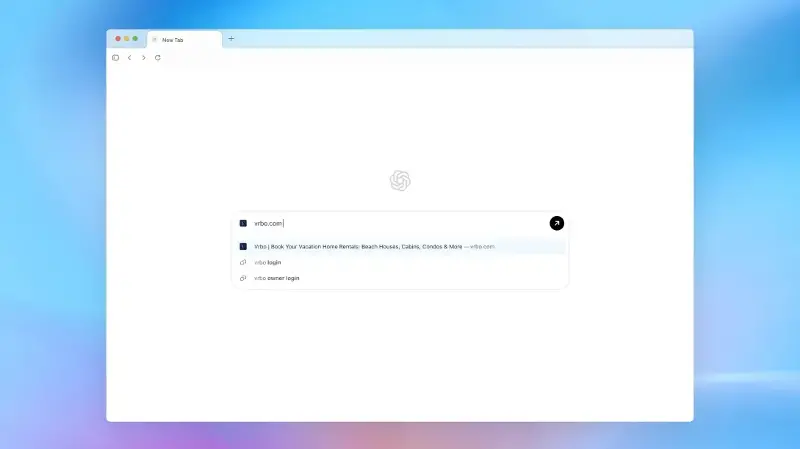
Open AI's web browsing interface replaces human browsing.
According to Altman, this is one of the reasons OpenAI focuses on building its technological infrastructure.
"I can see that in that world , I, and everyone else, will need far more AI infrastructure than we're currently thinking," he added.
Ignoring the competitor's IPO race.
Responding to a question about rival Anthropic's IPO, Sam Altman said he had "just heard" that Anthropic had filed for a secret IPO with the U.S. Securities and Exchange Commission (SEC). However, he did not believe there was a race to be the first AI company to go public.
"I think there's a race to deliver the best technology and build the best business. An initial public offering (IPO) is, by its very nature, a fundraising event, and that's not what we're focusing on at this point," Altman said.
He stated that OpenAI will proceed with an IPO when it aligns with the company's development direction.
In April, Open AI raised $122 billion in its latest funding round, marking the largest deal in Silicon Valley history and raising the company's valuation to $852 billion. This is seen as a crucial step before the company plans to launch its initial public offering (IPO) in 2026.
The funding round was led by SoftBank, with participation from major investment funds such as Andreessen Horowitz, DE Shaw, MGX, TPG, and T. Rowe Price, along with technology corporations like Amazon, Nvidia, and Microsoft. Approximately $3 billion of this came from individual investors through the banking system.