



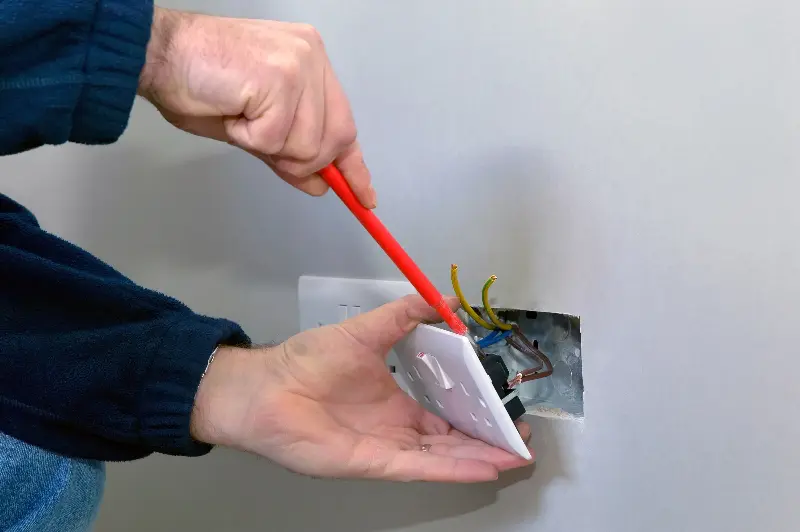
As the days get shorter, homeowners tend to rely more on indoor lighting and spend more time using appliances and devices inside. This is a good time to pay attention to electrical problems you may have grown used to seeing. A light that flickers or a breaker that trips repeatedly might seem like a minor annoyance, but some symptoms warrant a closer look from a qualified electrician.
Start with your lights. If one bulb flickers, check whether it needs replacing or is properly seated once the fixture is off and cool. If several lights flicker, lights dim when an appliance starts, or the problem keeps returning after you change the bulb, have an electrician investigate. The cause may be difficult to identify without examining the circuit.
Pay attention to your breaker panel, too. A breaker may trip when a circuit is overloaded, but frequent trips should not become something you simply reset and forget. Make a note of when the trip happens and what was running at the time so you can give an electrician useful information. Avoid repeatedly resetting a breaker that continues to trip or assuming a larger breaker is the fix; a professional needs to identify the cause.
Outlets and switches offer other clues. A plug that falls out easily, an outlet that works only sometimes, or a switch that crackles when you use it deserves attention. Warm or discolored outlets and switches, buzzing sounds, a burning smell, or a shock or tingling sensation are more urgent warning signs. Stop using the affected outlet or fixture and contact a qualified electrician promptly. If you see smoke or fire, leave the home and call 911. Electrical Safety Foundation International advises having these warning signs inspected rather than ignoring them.
Consider how you use your outlets as well. If a room depends on multiple power strips and extension cords to accommodate everyday devices, it may be time to discuss adding outlets or assessing the circuit with an electrician. This is particularly useful to consider before the holiday season brings additional lights, decorations and guests. Extension cords can help with temporary needs, but they should not serve as permanent wiring.
Homeowners can do a useful first check without opening an outlet or touching the wiring: notice which lights flicker, record how often a breaker trips, and look for visible damage or discoloration. Share those observations when you schedule an electrical inspection. Leave testing, repairs and changes to wiring or the panel to a qualified electrician.
If a warning sign is recurring — or an outlet, switch or fixture feels warm, smells unusual or makes a buzzing — take it seriously. If you’re unsure who to hire or what the repair might cost, you can check Angi for local electricians. Addressing the issue now can help you use your home with greater confidence during the months spent mostly indoors.
____
Tweet your home care questions with #AskingAngi and we’ll try to answer them in a future column.