



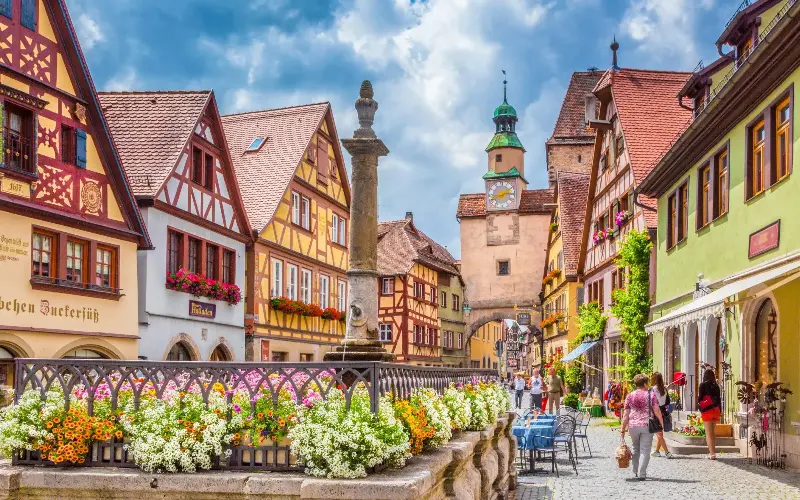
Across Europe, there are places where you really can step into the pages of a fairy-tale – surviving medieval towns of such character, cobblestone, crookedness and half-timber that they can out-magic even Walt Disney. And autumn and winter see them at their most atmospheric: the tourist crowds thin, open fires crackle in cosy old inns and early darkness lends a deliciously spooky air to their winding streets. Then there are the Christmas markets, which attract bigger crowds but add enchantment, sparkle and festive cheer.
Here are 10 bewitching towns to try for a time-travelling storybook weekend.
1. Rothenburg ob der Tauber, Germany
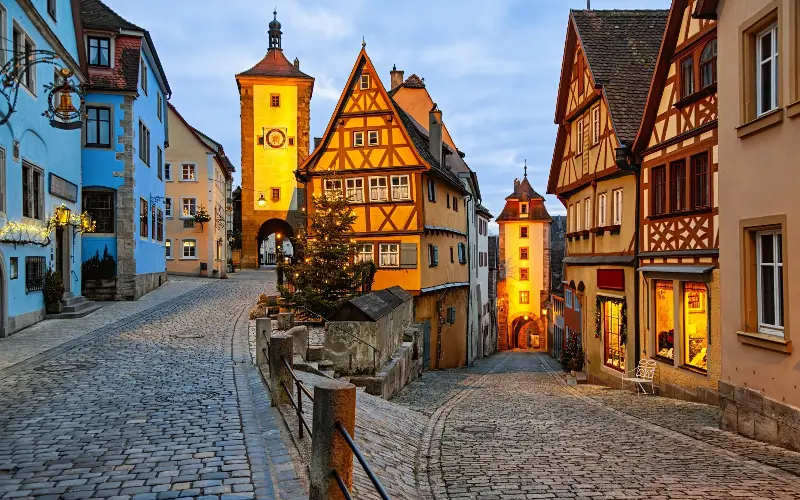
Google “Europe’s most fairy-tale town” and this Bavarian beauty will doubtless top the list. All cobbled lanes, stone towers and timber frames – the wonky yellow Plönlein house is one of Germany’s most photographed sites. Avoid some of the crowds by staying the night, ideally at an inn in the Old Town – Rothenburg is at its quietest and most haunting after dark. Join an axe-wielding executioner for the evening crime and ghost walk or tour with the Night Watchman for stories of life in the medieval town.
Where to stay
Welcoming guests for 600 years, Hotel Eisenhut has doubles from £58pn, room-only.
2. Toruń, Poland
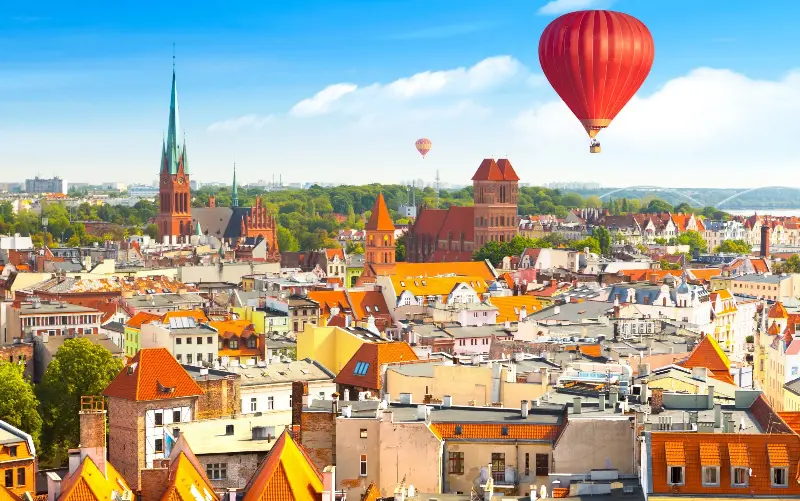
Poland has plenty of neat, medieval centres, but many are the result of post-Second World War reconstruction. Not so in Toruń, which escaped the war relatively unscathed, leaving its Gothic red-brick core intact. That core is now a World Heritage Site, boasting a ruined Teutonic castle, defensive walls, handsome townhouses and its own Leaning Tower. Copernicus was born here – his house is now a museum. Toruń is also the birthplace of pierniki toruńskie (Toruń gingerbread), made here since at least 1380 – bake your own at the Gingerbread Museum or try it at local bakeries or the Christmas Market.
Where to stay
Occupying a set of riverside granaries, Hotel Spichrz has doubles from £74pn B&B.
3. Mdina, Malta
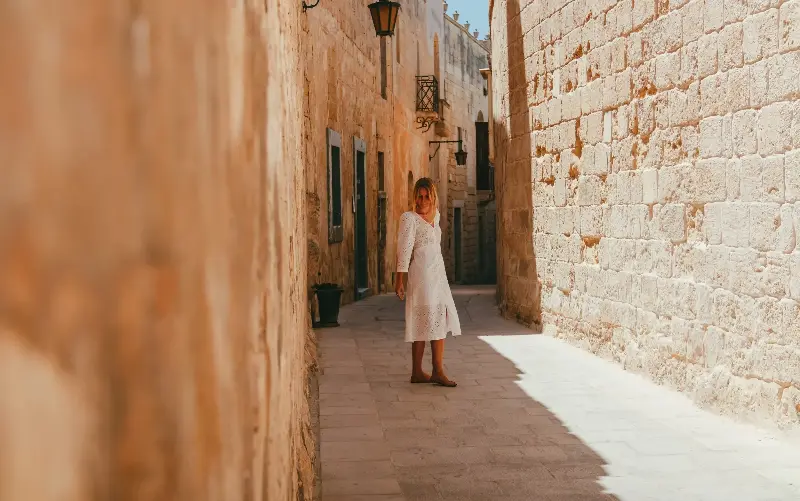
Medieval? Mdina’s roots stretch back further than that: this hilltop town, once Malta’s capital, is thought to have been settled 4,000 years ago. But, with its enclosing walls, narrow alleys, honey-coloured palazzos and hidden-away courtyards, it has a fairy-tale Middle Ages feel.
The main attraction is just wandering around the car-free streets, starting at the Mdina Gate and heading to St Paul’s Cathedral – both of which are actually grand 18th-century Baroque structures. For more medieval atmosphere, visit Palazzo Falson, a 13th-century townhouse turned museum, and descend into Mdina’s original dungeons.
Where to stay
Built into Mdina’s historic walls, the Xara Palace has doubles from £190pn B&B.
4. Porvoo, Finland
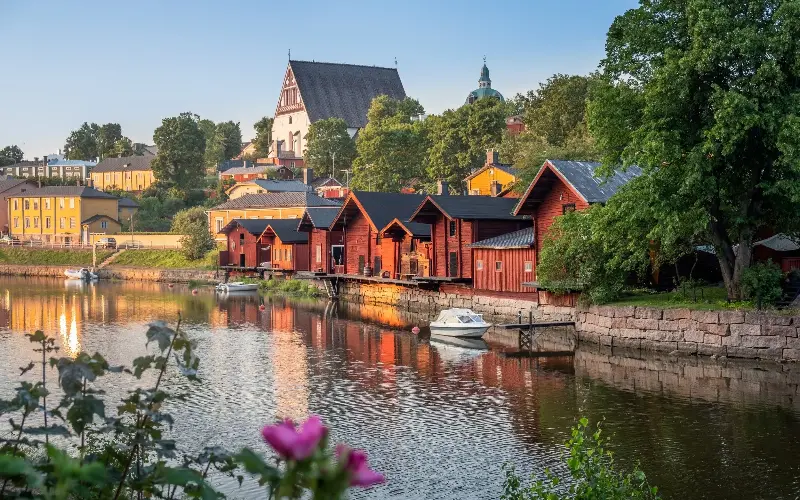
Porvoo – just an hour by bus from Helsinki – is one of Finland’s oldest towns, a charming enclave of pastel-painted clapboard houses, a Gothic cathedral and little lanes lined with indie boutiques. But, unlike more touristy medieval towns, it still feels like a place where locals live, shop and eat. As such, there’s good food, from Michelin-starred VÅR (set inside a former chocolate factory) to innumerable cafés serving local speciality Runeberg torte (almond and rum cake). The latter is named after Finland’s national poet, JL Runeberg, who lived here – his former home is now a museum.
Where to stay
The Michelin Key-awarded Runo Hotel has doubles from £235pn B&B.
5. Óbidos, Portugal
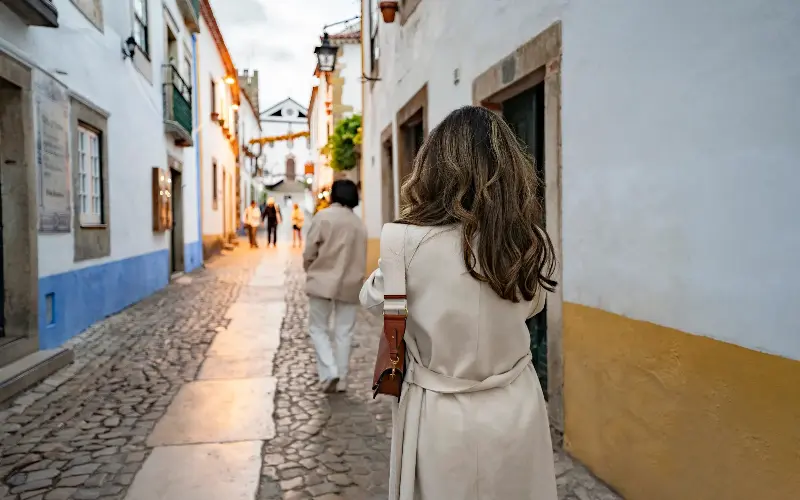
In 1282 Portugal’s King Denis and Queen Isabel honeymooned in hilltop Óbidos, after which the king gifted it to his bride. Thus it’s known as the “Wedding Present Town” – and, with its cute streets and old-world vibe, it remains a gift of a place.
Óbidos is a Unesco Creative City of Literature, with numerous bookshops secreted in surprising spaces, including a 12th-century church and a former winery. Walk the stone walls (a full circuit is about a mile), amble Rua Direita, admiring its window boxes, craft shops and bakeries, and drink ginjinha, the local cherry liqueur.
Where to stay
Casa Mourisca, a characterful house for four just inside the medieval walls, costs from £195pn.
6. Colmar, France
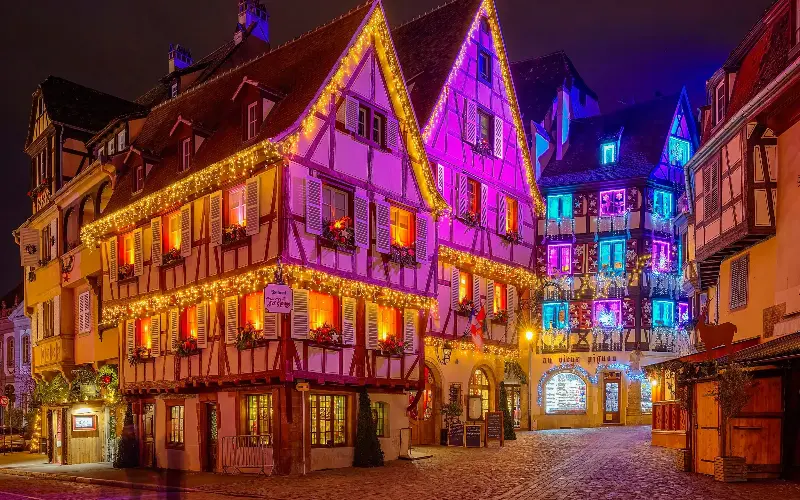
Colmar is technically a city, not a town. But, with its rainbow-hued half-timbered houses, cobbled pedestrianised streets and dreamy canals, it’s too fairy-tale to exclude. This is particularly true at Christmas time, when balconies are hung with Advent wreaths, festive lights flicker, spiced vin chaud scents the air – Colmar is the capital of Alsatian wine – and six village-style markets are set up around the old centre, selling specialities such as choucroute (traditional sauerkraut) and bredele (festive biscuits). While there, don’t miss the Musée d’Unterlinden, an impressive art gallery set within a Dominican convent.
Where to stay
Le Maréchal, a 16th-century house turned boutique hotel, has doubles from £130pn room-only.
7. Hall in Tirol, Austria
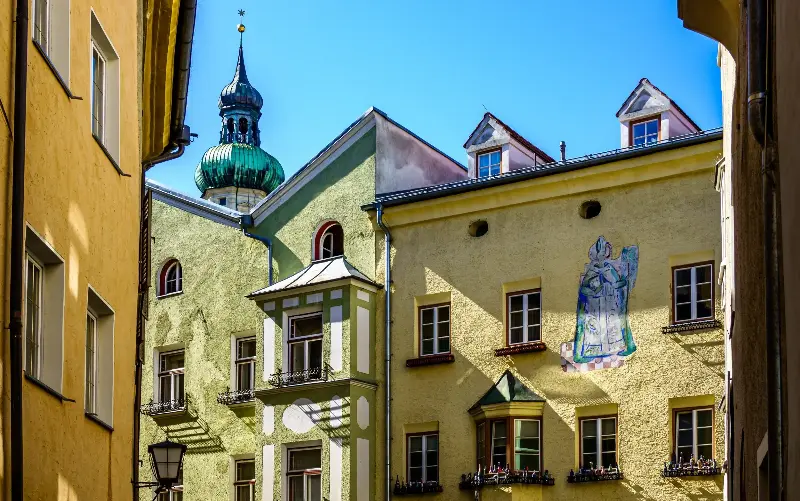
Only a few miles east of Innsbruck, with a similarly spectacular mountain backdrop, Hall in Tirol has one of the largest and best-preserved medieval old towns in Austria. It became a key hub of the Habsburg Empire when the royal mint was moved here in 1477 – visit Hasegg Castle to learn about the town’s coin-making history and take in the views from the tower. Then stroll to the Upper Town Square, with its Gothic St Nicholas Church, and browse the cafés, shops and bakeries – try a traditional Haller Törtchen (a spiced pastry) in Konditorei Weiler.
Where to stay
Altstadthotel Goldener Engl is a characterful historic hotel with doubles from £109pn room-only.
8. Český Krumlov, Czechia
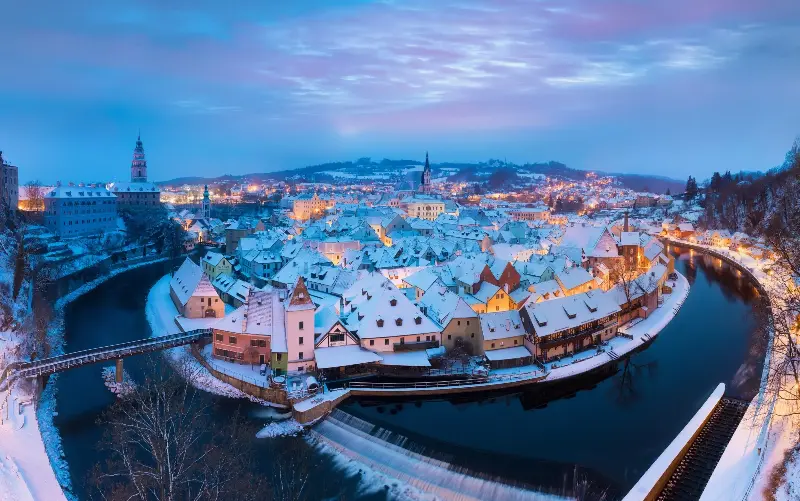
Deep in the Bohemian countryside, Český Krumlov is a kind of mini-Prague. You get a comparable mix of romantic old town, hugging the same river, just on a smaller scale, with fewer tourists. Dominating the red-roofed centre is the 13th-century castle, complete with painted tower, resident ghost, working Baroque theatre and a moat where bears have lived for centuries – though animal rights campaigners are trying to change that. Winter visits can be especially atmospheric, with a Christmas market that runs from November into January, and many cosy taverns serving goulash and Budvar beer.
Where to stay
Hotel Růže, a 16th-century Jesuit college above the Vltava, has doubles from £95pn B&B.
9. Trakai, Lithuania
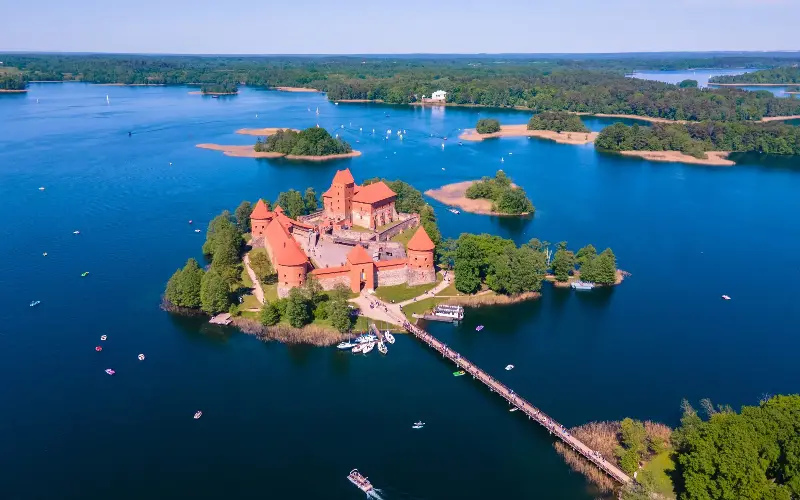
Trakai has a magical location, completely encircled by lakes – great for boating in summer, ice skating and sparkle in winter. Most magical, though, is its 14th-century red-brick castle, a many-towered Gothic bastion that floats on its own lake island, reached via a long wooden footbridge. Trakai’s old town itself has clusters of painted wooden houses, built by the Karaim minority that was brought here from Crimea 600 years ago. Visit the Karaite Ethnographic Museum to learn more, before seeking out kibinai (Karaim meat-stuffed pasties) at a lakeside tavern.
Where to stay
Lakeside hotel and restaurant Apvalaus Stalo Klubas has castle-view doubles from £97pn B&B.
10. Vejer de la Frontera, Spain
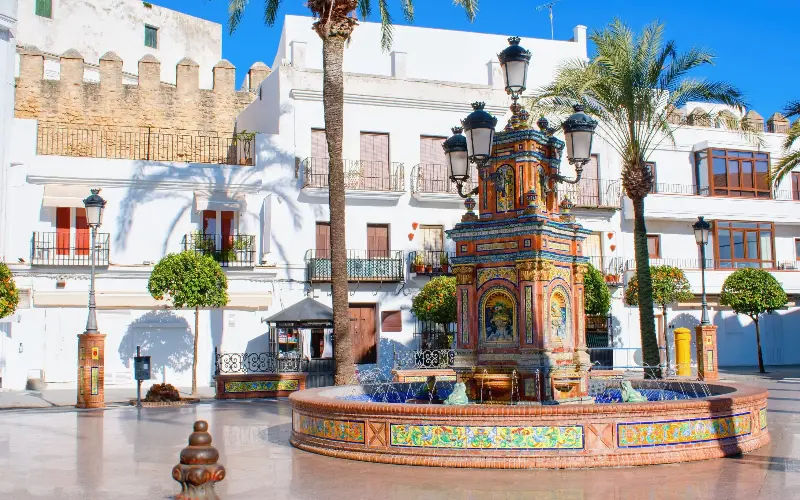
For something more Arabian Nights than Brothers Grimm, head to this ravishing Andalucían crag-top town. Here, Moorish heritage meets medieval Christian architecture, wrapped within 15th-century defensive walls.
It is enjoyable simply getting lost in this tangled, tight-packed maze of whitewashed houses, stone gates and palm-fringed plazas. As is eating and drinking – the old town is less than a kilometre across, but home to 30-plus restaurants. Hit La Vinográfica for sherry tasting, La Judería for local dishes with a twist, and Annie B’s Spanish Kitchen for a delicious cookery lesson.
Where to stay
La Casa de Califa a boutique bolthole with Andalucían and North African styling, has doubles from £72pn B&B.