



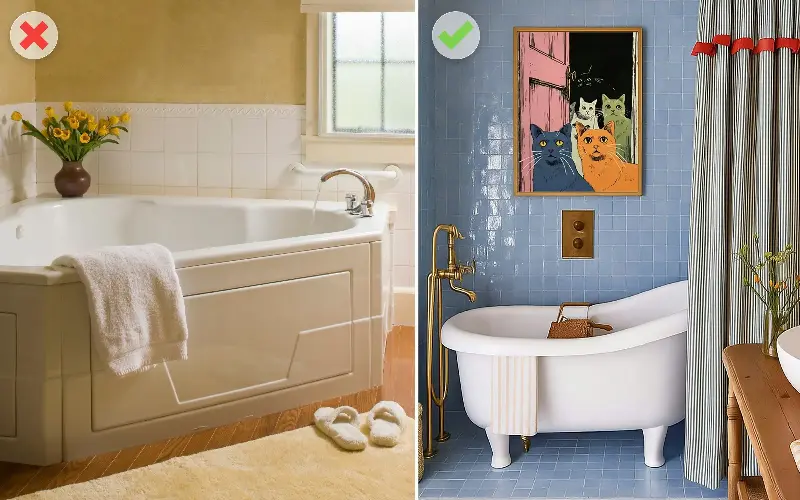
We tend to have a blind spot when it comes to bathroom design. It’s easy to tell when a sofa has had its day or a kitchen starts to look passé, but bathrooms? Not so much. And so, without noticing, yesterday’s idea of the height of taste has become today’s definition of naff. Just think back to the Eighties when fluffy toilet seat covers could unironically pass for the height of sophistication, or the Nineties, when sponge-painted walls and beige tiling reigned supreme.
According to Keeley Sutcliffe, design manager at bathroom company BC Designs, our planning approach can also limit our bathroom design potential. “In a living room or bedroom, we start with how we want it to feel, whereas in a bathroom the first conversations tend to be about plumbing, layout, and storage,” she explains. “The best bathrooms are planned carefully, but still feel like somebody has made choices themselves rather than simply worked through a checklist.”
So what are the hallmarks of a stylish bathroom in 2026, and how can we ensure they won’t look tacky down the line? Well, planning a bathroom that’s distinctly personal – not entirely trend-led – is a good place to start.
For Sutcliffe, it should also feel liveable, meaning it might have features that err on unconventional. “A piece of furniture, artwork or a lamp can completely change a bathroom’s character,” she says.
In the market for a bathroom renovation? Here’s what’s naff and what’s not, according to designers.
On the naff list
Tiling every wall from floor to ceiling
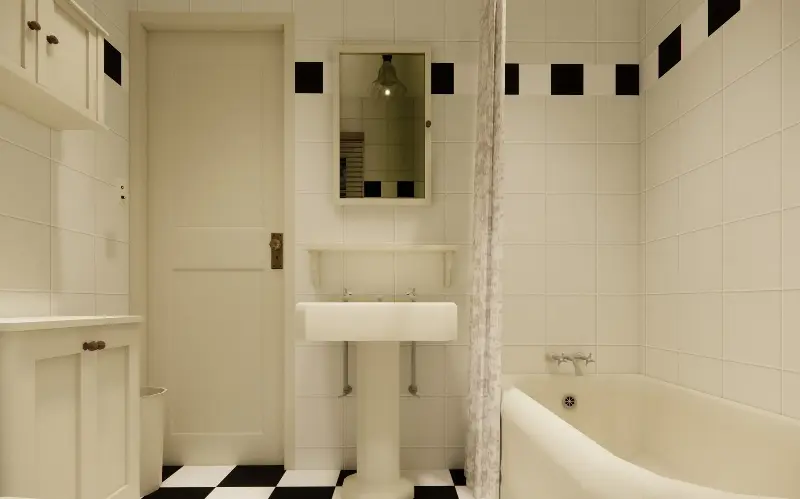
A wash of white square tiles or brick-bond metro tiles is guaranteed to look naff in 2026 (yes, even with a border accent band). “It can make a bathroom feel cold and overly functional, when what we really want is for bathrooms to feel more like considered rooms,” says Marcelina Janiszewska, head of interior design at Project London.
Tiles allow for limitless creative opportunity, but using them sparingly can often be more effective than making a large statement. “I prefer to tile only where it is necessary – around the shower or bath, for example – and then use a beautiful, moisture-resistant paint or wallpaper elsewhere,” says Janiszewska.
Typography wall art
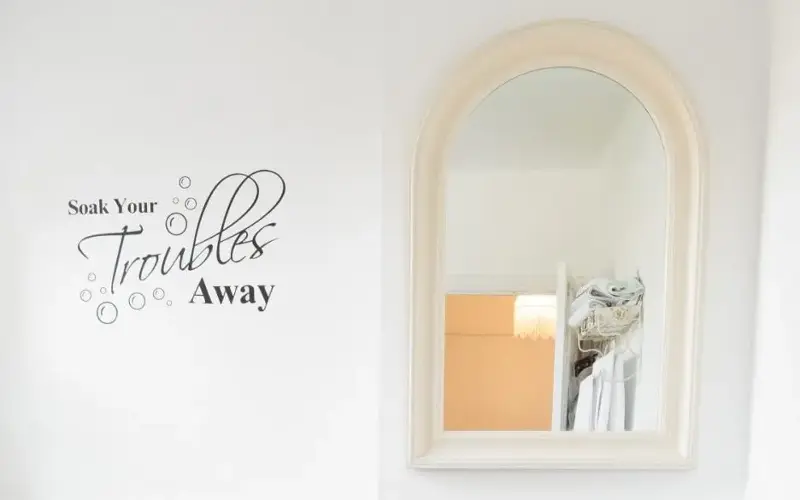
Vinyl wall decals, “live, laugh, love” signs, and any typography art that feels overdone are an overt design faux pas.
That doesn’t mean wall art doesn’t belong in a bathroom at all, but think originally and add a print that’s unique to you.
“Framed vintage posters and old advertisements work particularly well, especially when they combine sleek fonts, vibrant colour and dynamic spacing,” says Saskia Blyth, the founder of Blyth-Collinson Interiors. “They make a bathroom feel less like a purely functional space and more like an extension of the home’s personality.”
Making every finish match
Gone are the days when bathrooms were designed “like product suites”, says Sutcliffe. Instead of choosing a finish for your taps and then repeating it across the rest of your hardware – something that will always look flat, naff, and unconsidered – don’t be afraid to mix metal finishes.
“Keep pieces that visibly belong together in the same family – for example, the basin tap and shower fittings – and then allow secondary elements such as cabinet hardware, lighting or a mirror to introduce another finish,” says Sutcliffe. Make sure they coordinate well though, rather than choosing at random.
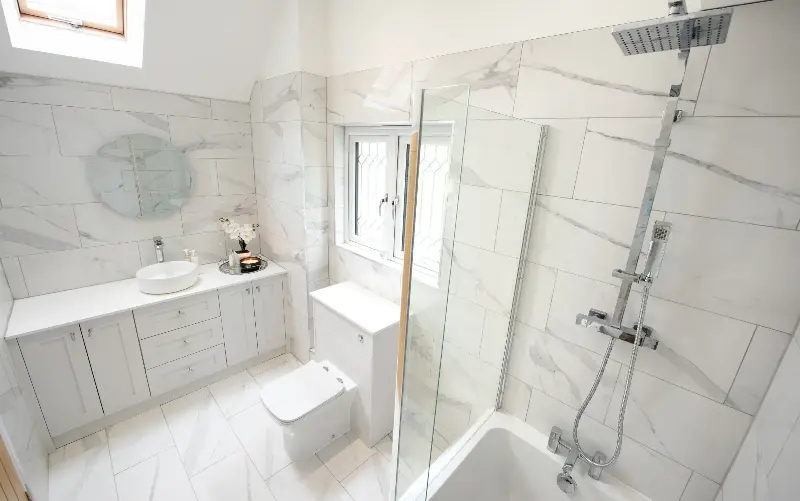
Too much marble
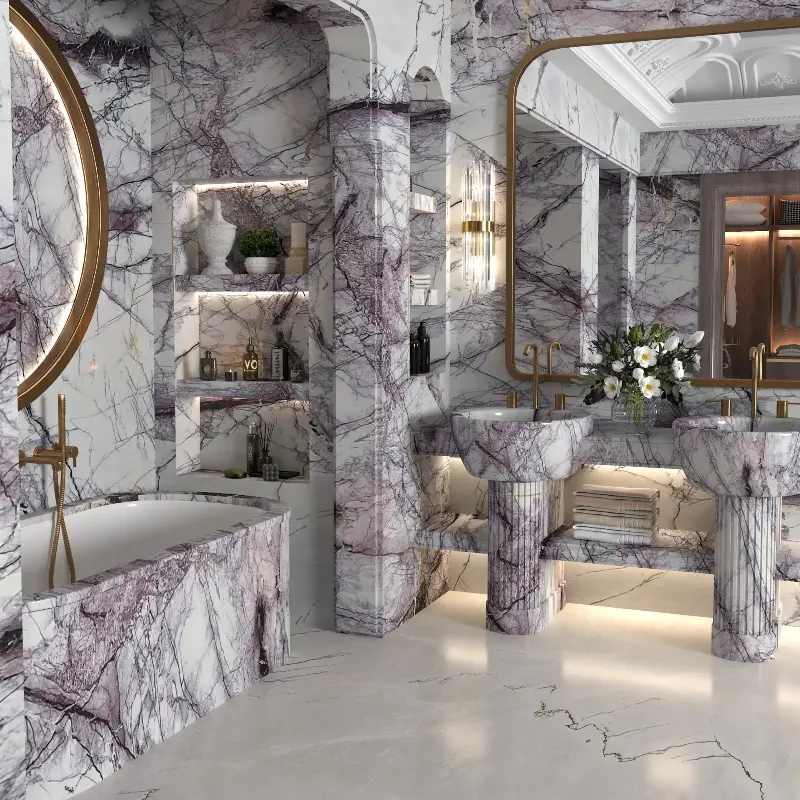
No one’s denying the long-standing appeal of marble or marble-effect tiles in a bathroom, but overdoing it is a common bathroom mistake. “Marble itself could never be naff,” explains Grazzie Wilson, the head of creative at Ca’Pietra. “The problem came when we started to equate that personality with quantity.” When it’s used on the floor, across every wall, and around the bath and vanity, it loses its visual value.
“Instead, let one application become the reason you remember the bathroom,” says Wilson. “That might be a beautifully bookmatched shower wall, a vanity top cut from an extraordinary section of slab or a bespoke stone basin that becomes almost sculptural.”
Jacuzzi baths
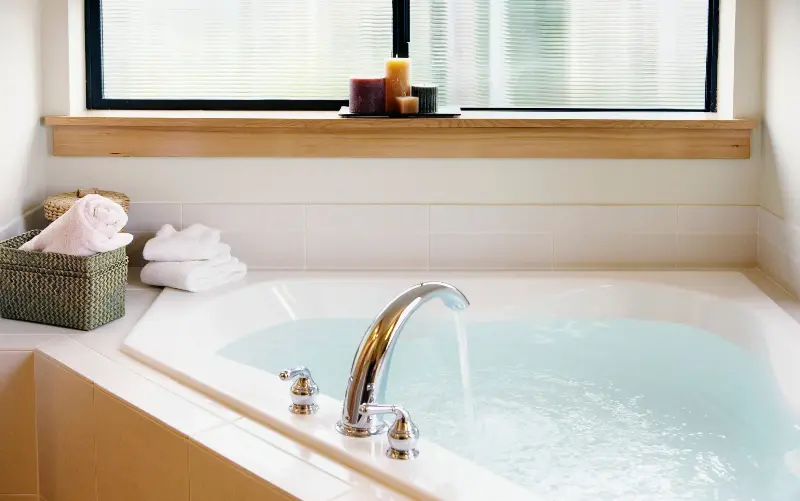
Nothing says naff like a Jacuzzi corner tub. They’re less a luxury symbol, more a hallmark of tacky 1980s design. “There was a period when a Jacuzzi-style bath was almost shorthand for having invested in a premium bathroom. It belonged to an era when luxury was something you could see operating,” notes Sutcliffe. “Now, luxury has become much quieter.”
Instead of jets and flashy controls, a beautifully shaped bath can do all the talking. Choose a freestanding tub to create a spa-style bathroom, or make the material itself the main event.
Far from naff
Coloured baths
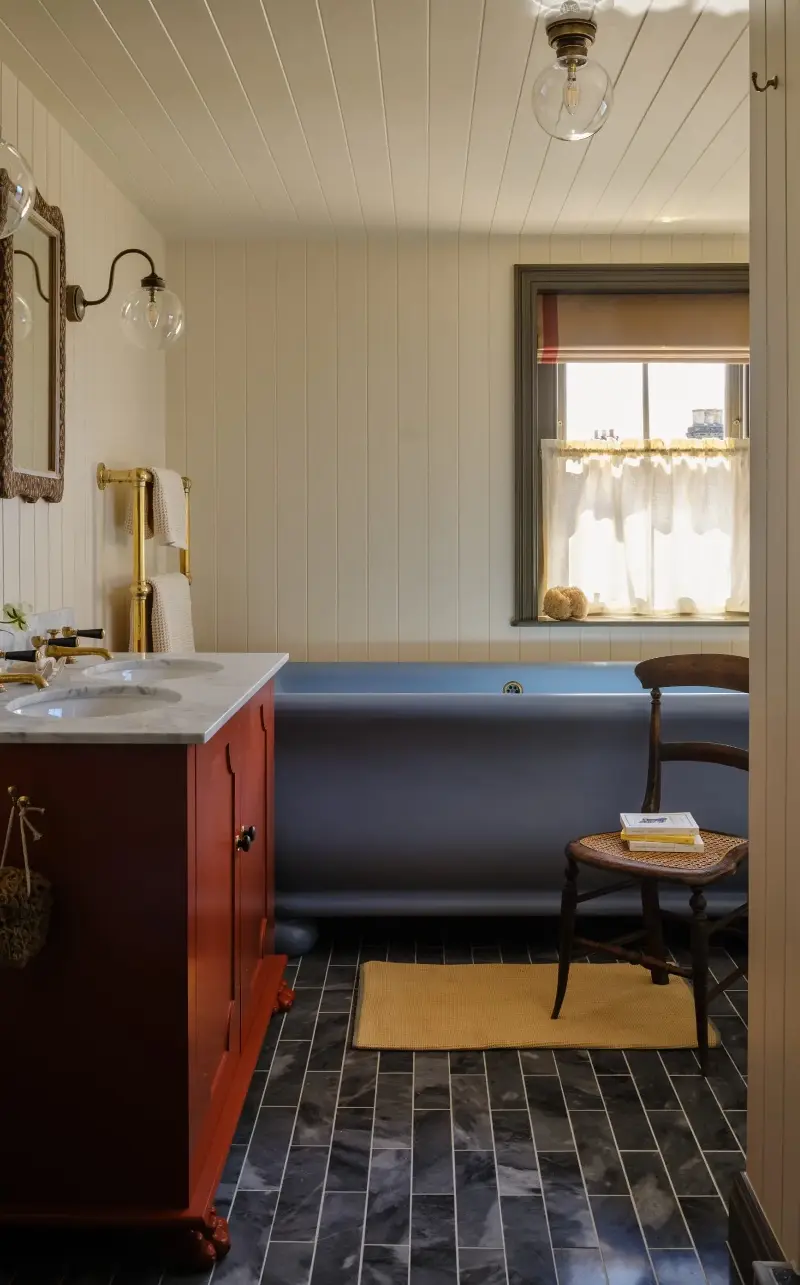
If the thought of coloured sanitaryware still takes you back to avocado suites, think again. In 2026, colourful baths are a tasteful retro bathroom trend. “It’s no longer about putting one bright object into an otherwise neutral bathroom and asking it to do all of the talking,” explains Sutcliffe. Instead, it’s about curating a palette that imbues a bathroom with personality.
These palettes, she says, are more nuanced: “mineral blues, softened greens, dusty pinks, earthy shades and warmer neutrals that sit comfortably alongside stone, timber and tile”.
Chrome and cooler metals
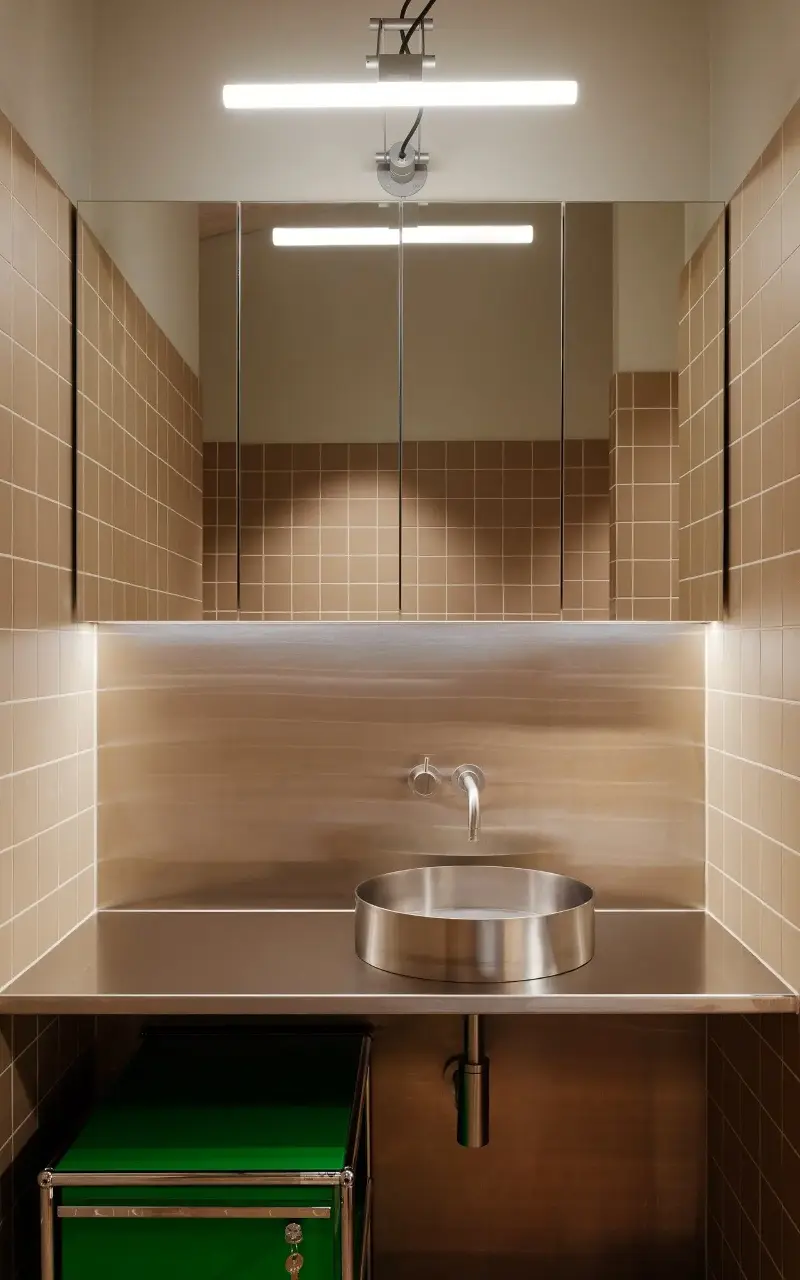
If you’re still falling back on brass or matte black hardware, you may want to give chrome a second thought. Far from unfashionable, it’s now one of the chicest finishes, and it’s a great way to give your bathroom some edge.
There’s far more on offer than just polished chrome, too. “Nickel has a different depth, brushed nickel feels softer, and pewter can bring a more muted, architectural quality,” notes Sutcliffe. “Against walnut, terracotta, warm stone or a coloured bath, a silver-toned finish can stop the palette becoming too sweet or too tonal.”
Adding decorative details
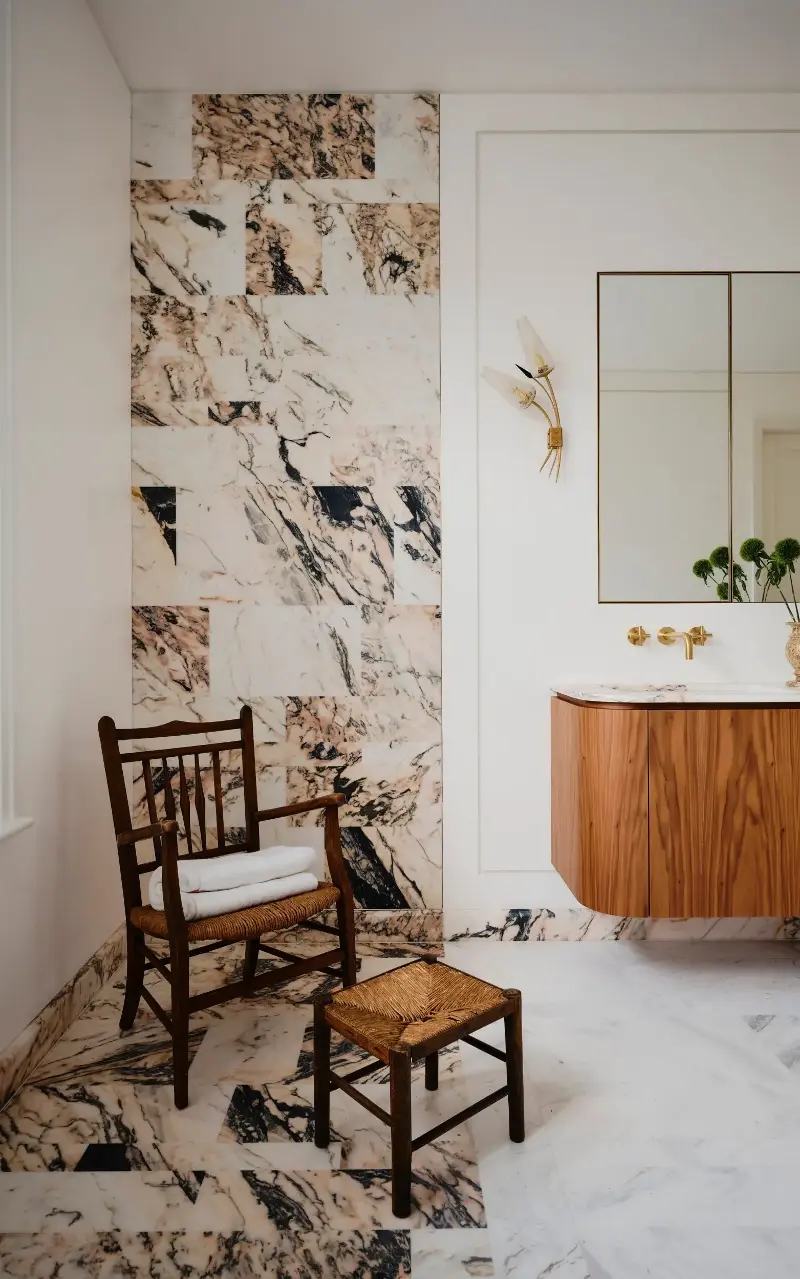
The worst thing a bathroom can be is boring. Personal bathrooms are on trend, so be sure to include plenty of decorative details.
“Introduce pieces you wouldn’t expect to find in a bathroom, like an antique chest or chair – something that instantly adds depth and makes the space feel like a proper room in its own right,” says Tom Cox at Studio HÁM.
“Collected objects do the same: a ceramic, a little painting, a treasured find. They always tell you something about the person who lives there.”
Layered lighting
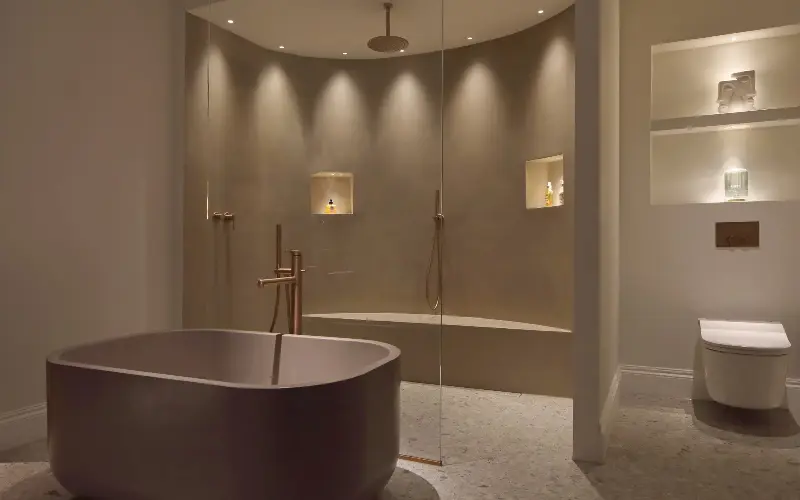
“A single light source simply won’t provide the right illumination for everything we do in a bathroom,” says Iwona Budnik, associate interior designer at OWN LONDON.
That doesn’t mean you should resort to naff LED mirrors and run-of-the-mill sconces, however. Instead, a layered approach with backlighting, spotlights, and sconces can make a bathroom look so much more tasteful.
“Decorative lighting is the perfect way to dress a room – it’s almost like jewellery,” Budnik says. “Sculptural pendants, decorative shades and distinctive sconces can introduce colour, texture and character, while the huge variety of glass available today means lighting can be both practical and decorative.”
Adding a textile
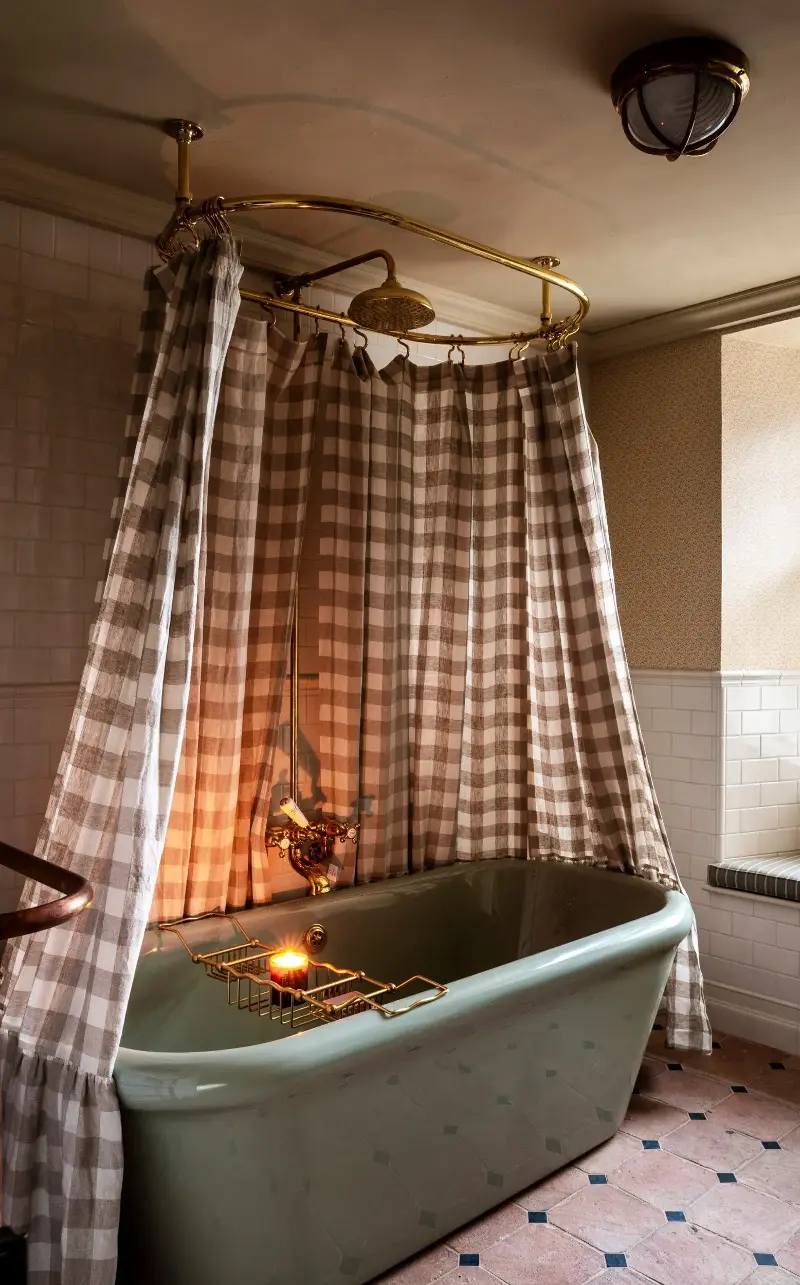
While they shouldn’t be used at large, one or two textile accents can really bring a bathroom to life. Far from naff, they help soften a space – and no, you don’t need to rely on the wall-to-wall carpeting of the 70s and 80s.
“A bathroom should have warmth and character, and one of the ways we like to do this is with fabric,” says Cox at HÁM. “A soft shower curtain is one of the simplest ways to warm a bathroom. It’s a large expanse of fabric in a room that often has very little.”
You could also try shaded sconces, a sink skirt, or a linen café curtain.