



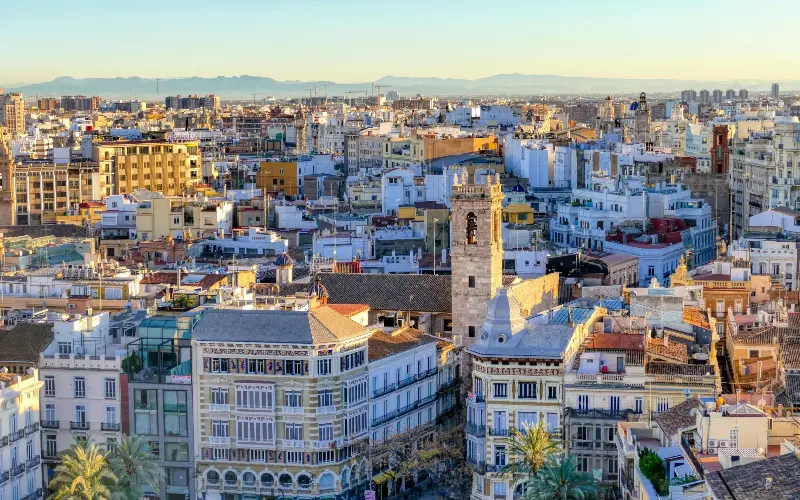
Three decades of bold development have given Spain’s third-largest city some of the most striking architecture in the country, adding to the wealth of elegant Art-Nouveau buildings that line the streets, as well as Gothic, Baroque and Renaissance monuments.
While the city has some of the best museums in the country, you rarely have to stand in a queue to get in as tourist levels, although rising steadily, are much lower than in Madrid or Barcelona. The city has a flourishing restaurant scene, bolstered by its seaside location and surroundings of vast market gardens, and gastronomic events all year round.
Mild temperatures for most of the year mean you can make the most of the miles of urban beaches, whether strolling or cycling along the promenade or enjoying long outdoor lunches. In March, huge figures appear on street corners all over town for the Fallas festival, before being ceremoniously burned down, one of the biggest – and noisiest – celebrations in Spain.
With a lively nightlife scene for all ages and great shopping as well, Valencia is bursting with Mediterranean exuberance. Here’s how I recommend spending a weekend in the city.
In this guide:
How to spend your weekend
Day one: morning
Start with a freshly squeezed orange juice outside the huge Art-Nouveau Central Market, where the fabulous local produce glitters in all its voluptuous glory under domes adorned with stained glass and mosaics.
Although this is where a lot of Valencians do their food shopping, the combination of beautiful architecture and bountiful fruit and vegetables means that the market has become an accidental tourist attraction. Try to bear in mind that the stallholders need to make a living, so it really helps if you can buy something as well as taking photos.
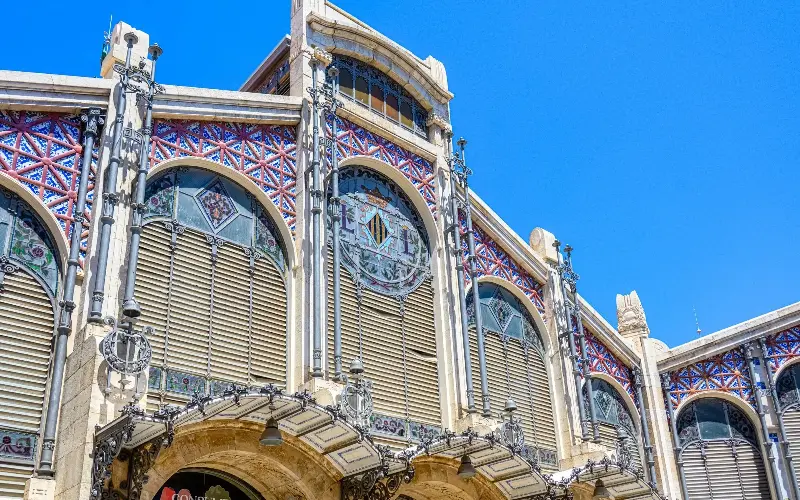
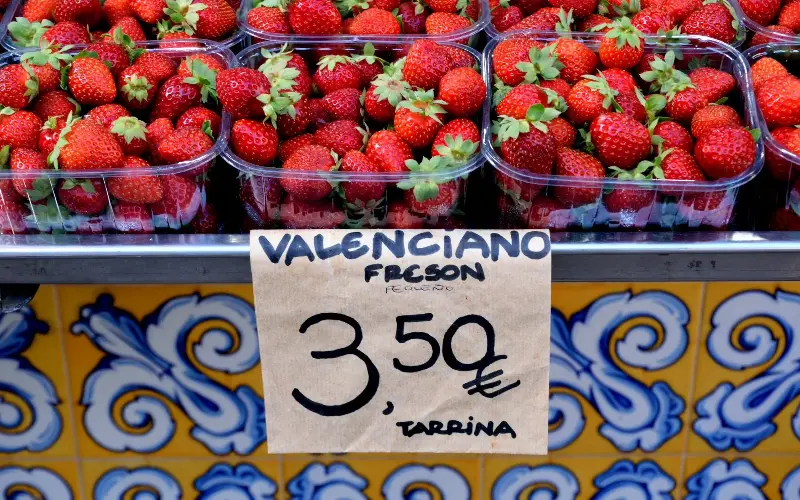
Pick up some ibérico ham or olive oil as gifts, then find a spare stool at the Central Bar (stalls 105-131), run by Michelin-starred chef Ricard Camarena and order one of the massive rolls – the Canalla with morcilla sausage and scrambled egg or the Mary with cuttlefish and alioli.
Cross the square to La Lonja, the astounding 15th-century silk exchange, which is one of the best examples of Gothic civil architecture in Europe and has World Heritage status.
Afternoon
Wander through the lanes behind La Lonja to reach the Cathedral and try to get your head around the mix of Romanesque, Gothic and Baroque architecture. Inside, see paintings by artists including Goya and a chalice purported to be the actual Holy Grail. It is worth climbing the Micalet belltower for panoramic views across the city to the sea and countryside.
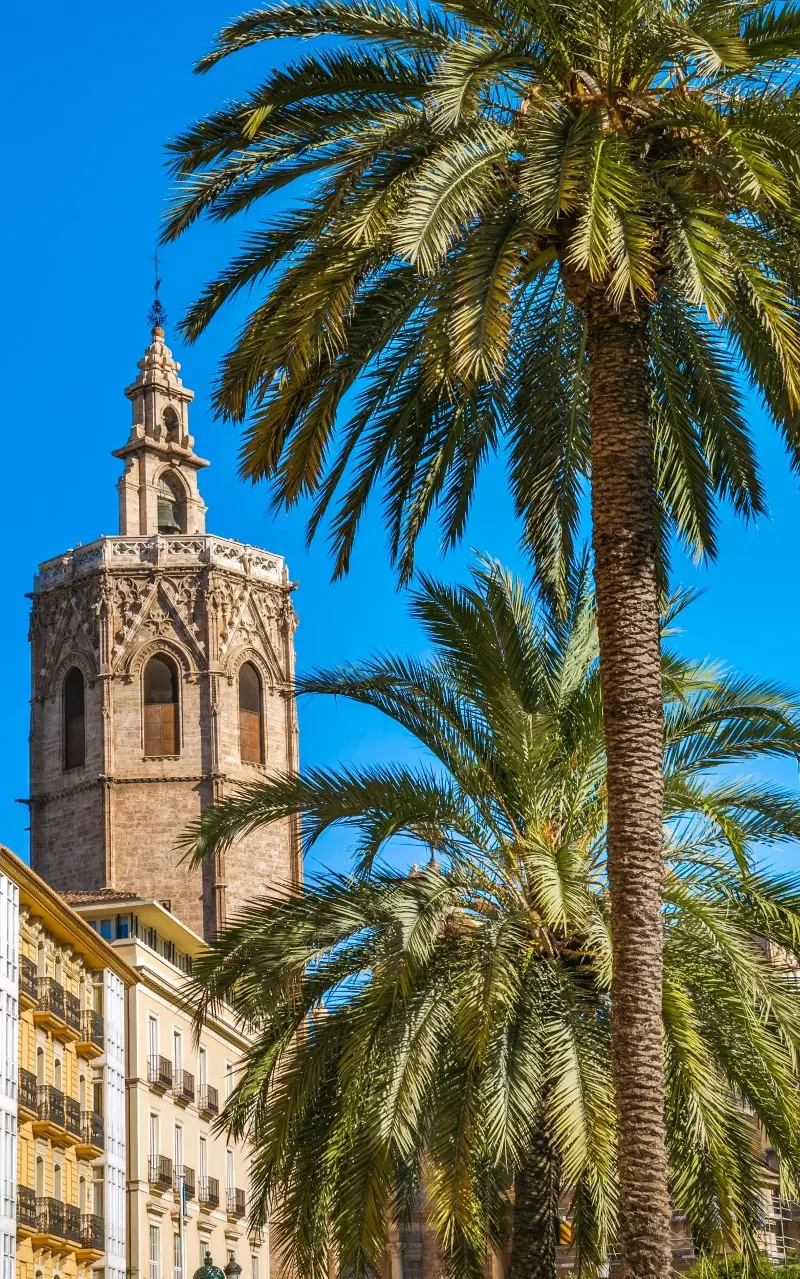
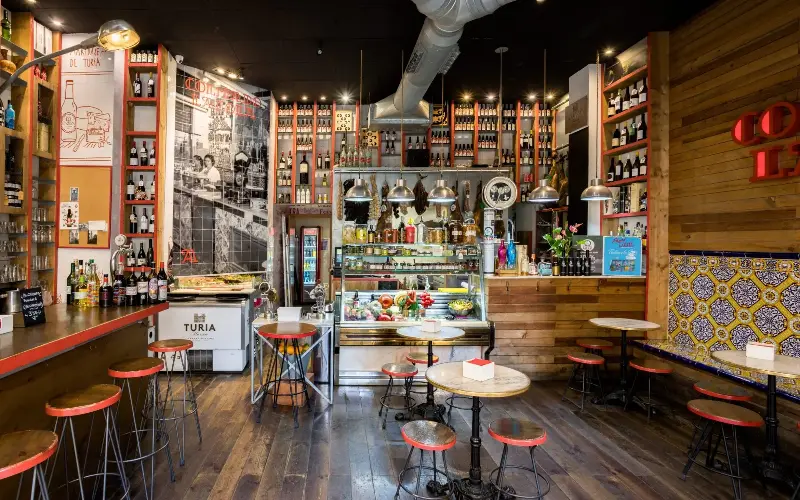
Right by the cathedral, pop into Colmado LaLola for tapas (maybe some Valencian oysters or prawns with peppers and garlic) and a beer or a glass of wine (there’s an impressive list, including sherries). Fully restored, do some shopping as you saunter to the Plaza del Ayuntamiento and along Calle Ruzafa to Calle Colón, looking up at the beautiful buildings.
Stop at the Art-Nouveau Colón Market, which now houses cafés, restaurants and shops. Have a coffee or a traditional horchata (a chilled drink made from crushed tiger nuts) at Casa de l’Orxata, where they use organic tiger nuts and don’t add loads of sugar (unless you want it).
Late
Book ahead for dinner at Vuelve Carolina, which is one of three restaurants in the same building in Valencia city run by Quique Dacosta, one of Spain’s top chefs. Smart and buzzy, Vuelve Carolina mixes Mediterranean and global influences, with dishes such as crispy prawn brioche bun with chipotle mayonnaise and pork ribs with Japanese barbecue sauce. You can pair cocktails with your food too if you like.
Stroll along to Café Madrid for a nightcap, perhaps an expertly mixed gin and tonic or a cocktail, either inside or on the roof terrace.
Day two: morning
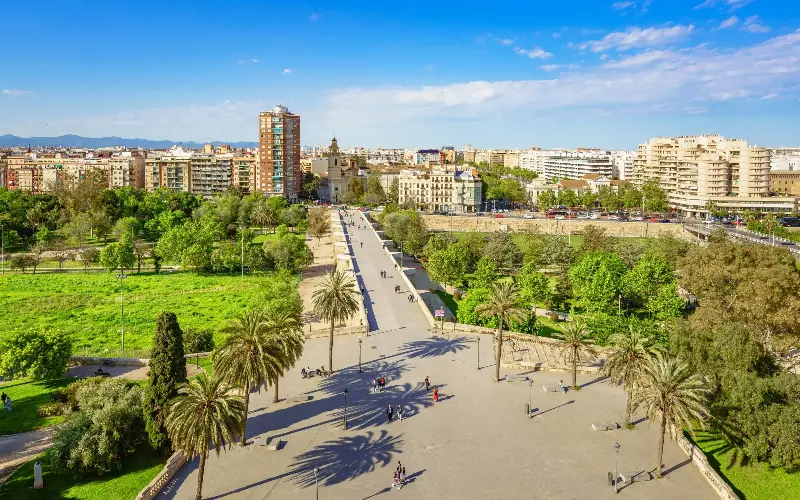
Walk or cycle through the Turia Gardens, the park that curves around the city, following the course of the river that was diverted following flooding in the 1950s. You can hire bicycles from Valencia Bikes.
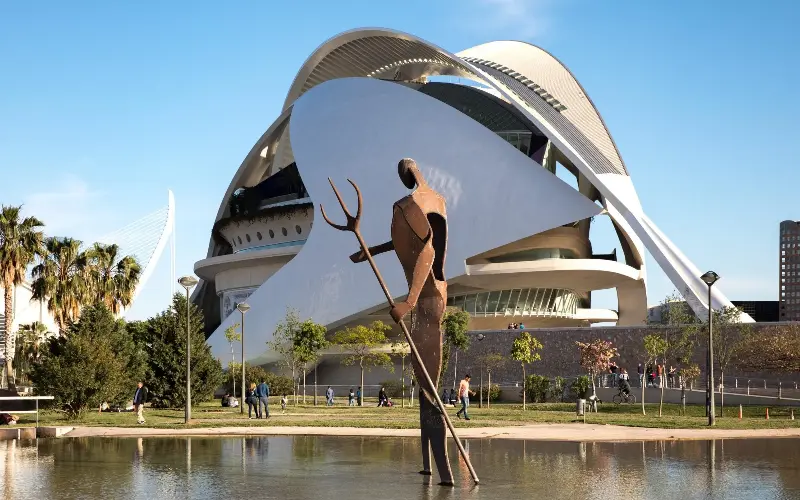
Head for the spectacular City of Arts and Sciences, a vast sculptural white complex designed by Santiago Calatrava and Félix Candela. While you’ll want to take lots of photographs of the opera house, planetarium and science museum, allocate most of your time to the Oceanogràfic marine park, where you will be mesmerised by the belugas, sharks and walruses.
Afternoon
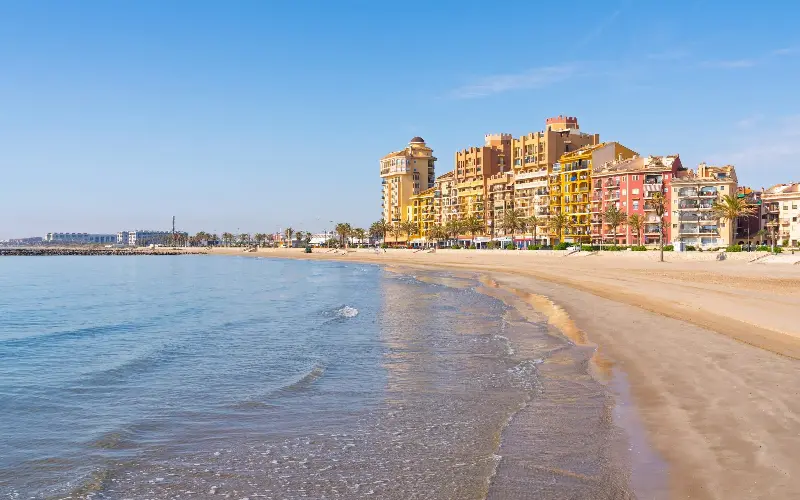
Take a bus or a taxi down to Malvarrosa Beach for a long, leisurely lunch at Casa Carmela, a pretty and popular restaurant where they cook excellent paellas and other Valencian specialities, such as seafood fideuà, made with pasta rather than rice (book in advance).
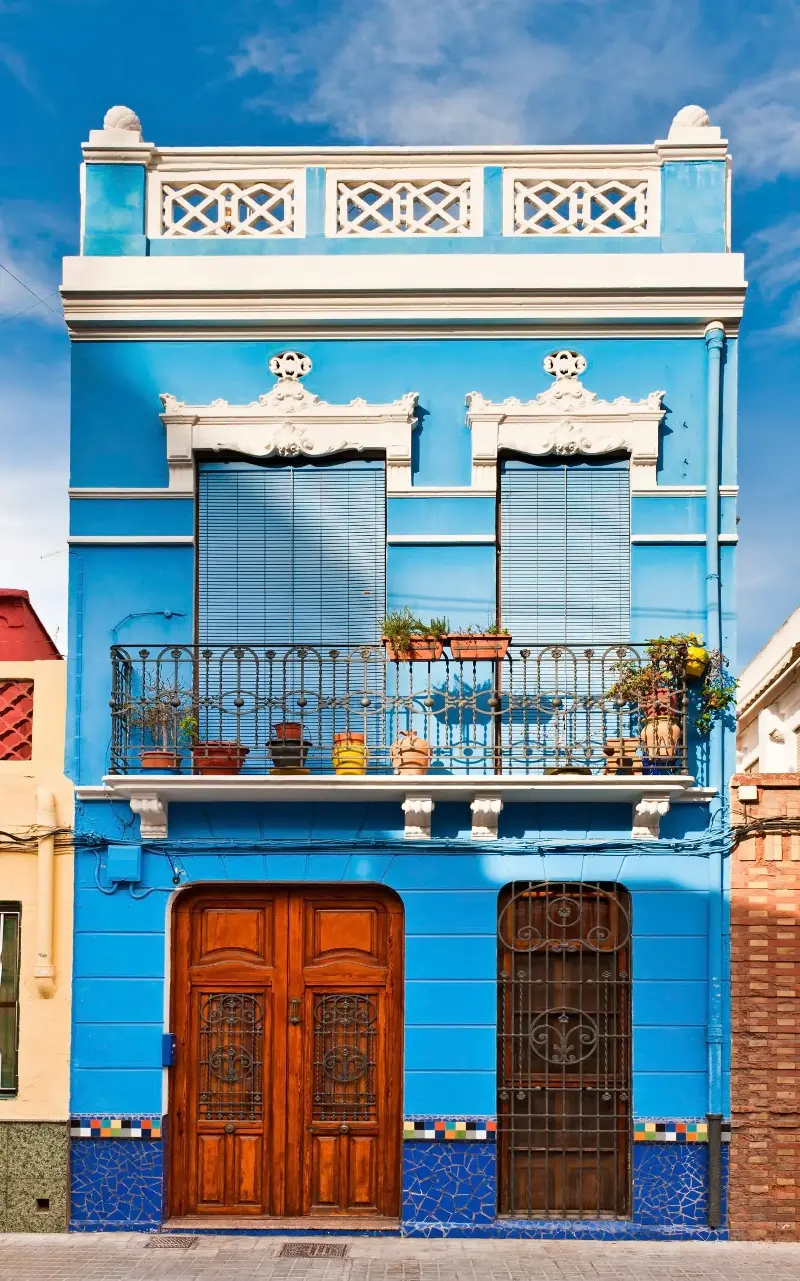
Afterwards, walk it all off by heading back along the promenade towards La Fábrica de Hielo, a vast industrial space that is now a bar and arts venue, for a coffee or a cold beer, then turn into Cabanyal-Canyamelar, the old fishermen’s district with a grid of narrow streets lined with tiny houses with colourful tiled façades.
Late
It’s quite likely you’ll still be meandering around Cabanyal-Canyamelar when you start thinking about dinner. Fortunately one of the best tapas bars in Spain, Casa Montaña, is hidden away in the depths of the neighbourhood. With its Art-Nouveau décor, wine vats and marble bar, it couldn’t look more traditional, but don’t be deceived as there is a passionate and highly skilled team at work here. The food is prepared with great care using superb produce and the wine list is pretty interesting too. Order the patatas bravas, the cod brandade, the mussels, the cuttlefish, the chopped steak – everything is good. Booking ahead is advisable.
If you would rather eat back in the centre, Ruzafa is a good nightlife area with lots of restaurants and bars. Book ahead at Ricard Camarena’s fun Canalla Bistro, where the menu mixes Spanish and Asian flavours and includes Galician beef burger and their signature pastrami sandwich. Have your last drink in the kitsch surroundings of La Bella de Cádiz, a bar that feels a bit like an antique shop.
When to go
It doesn’t usually get too cold in winter in Valencia, and you can often sit outside during the day even in January and February. Spring and autumn are the liveliest seasons for cultural events and you are almost guaranteed warm temperatures and sunshine. At the height of summer it can get uncomfortably hot, but there are at least plenty of beaches right on the doorstep.
The Fallas festival officially starts at the beginning of March but things really get going on the 16th, when extraordinary papier-mâché sculptures of celebrities, politicians and fantasy characters appear as if by magic in the streets and squares of the city. They stay there for just a few days before being ceremoniously burned on the night of March 19. Some are rather rude and others are just baffling to the untrained eye. At 2pm each day, thousands of people gather in the Plaza del Ayuntamiento to experience the mascletà, a deafening explosion of gunpowder and firecrackers.
Where to stay
Luxury living
Hospes Palau de La Mar, set within a grand nobleman’s mansion, retains the charm of a little Valencian palace with large arched doorways and historical features such as the original marble staircase. The flower-scented garden (where the horses used to live) and the soothing spa create a relaxing air of contentment, and each of the 66 rooms are modern, light and spacious.
Boutique beauty
Barracart apartments are owned by the same people who run the city’s revered Casa Montaña tapas bar, where guests get priority for reservations. The seven apartments are stylish, with tall French windows (leading to a street-side balcony) set in exposed brickwork, wooden floors and warm lighting.
Budget bolthole
The welcoming One Shot Mercat 09 in Valencia’s historical centre lures those looking for a hip base with its rooftop pool, spacious contemporary rooms and inventive dining. The hotel blends original features (wrought-iron juliet balconies, creamy exposed walls and wooden beams) with streamlined contemporary décor to brilliant effect. In some rooms, illuminated fresco-effect ceilings add to the historical references.
FAQs
What time are meals in Valencia?
Lunch happens from 2pm, dinner from 9pm at the very earliest, though 10pm is the norm. You can eat earlier at tapas bars and all day at cafés. It is not usual to share tables, even in fastfood joints.
Do I need to tip?
Locals usually leave very small tips – just odd change for drinks, snacks and taxis, and often nothing at all. A 10 per cent tip for a meal is really generous and five per cent is more the norm.
How do I protect against pickpocketing?
Never ever leave your bag on the back of your chair, or on the floor. Don’t keep valuables in outside pockets of your daypack.
Should I buy a tourist card?
The Valencia Tourist Card is worth getting as it provides unlimited use of public transport, free entry to some museums and monuments and discounts at others. It costs €17 (£14.50) for 24 hours, €24 (£20.50) for 48 hours or €30 (£26) for 72 hours, with a 10 per cent discount if you buy online. At the airport, buy the card from a machine or collect your online purchase, then use it to get the metro into the centre.
Is it possible to visit on a budget?
If breakfast is not included in your hotel rate, it is usually much cheaper and more fun to go to a bar.
It is a bit cheaper to have drinks or tapas at the bar rather than sitting at a table, and sitting outside will usually cost approximately an extra 10 per cent or so per item.
Do I need to carry my passport in Spain?
You must carry your passport with you by law – and you sometimes have to show your passport when paying by debit or credit card. Get a couple of photocopies of your passport and your UK Global Health Insurance Card (GHIC), as you will need both for any medical treatment.