



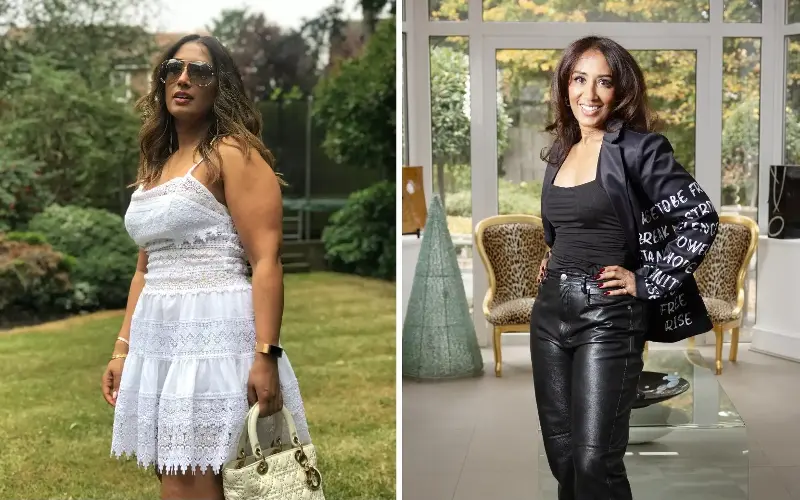
My mother was my role model. Even as she got older, she was so spirited and continued to try new things. At 60, she passed her driving test and became a regular gym-goer. Even after losing her sight, she knitted an heirloom bedspread and a scarf for my daughter. When she died at the start of 2018, aged 80, I felt completely broken.
For weeks, I barely moved from the sofa, getting up only to find whatever food I could bear to eat. I stopped caring about my health and had no energy to exercise. Aged 49, I was also entering perimenopause, which compounded my brain fog and fatigue.
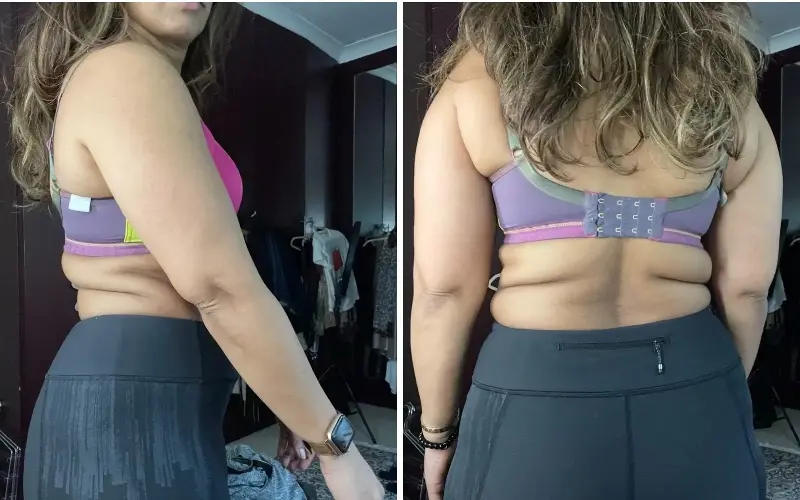
By late 2018, I weighed more than I had during either of my first two pregnancies. At 5ft 2in and 10st 8lb, I knew something had to change. My mother would never have wanted me to spend the rest of my life feeling uncomfortable and unhappy. I decided to overhaul my habits once and for all – and lost more than 2st in the process.
Exercising to burn calories
At school and university, I loved keeping fit and signed up for every sports team I could. That continued into my 20s, when I joined a gym near my home and went almost every day, often spending an hour on the treadmill.
Looking back, my approach was too restrictive. I saw exercise primarily as a way to stay thin and burn calories, rather than something that could make me feel stronger, healthier and happier.
I grew up in a large Indian family, where food was central to our cultural celebrations and family occasions. Rice, chapati and paratha were staples of almost every meal, and I learned early on that no dinner was complete without carbohydrates.
Combined with my focus on calories and staying slim, this shaped some unusual eating habits. I would start the day with two mugs of black coffee, have my first proper meal at lunchtime – usually a cheese sandwich – and eat my biggest meal in the evening. I didn’t have much of a sweet tooth, but crisps were my weakness, and I could easily get through several bags at night.
Until my 40s, my weight had never really been a problem. If I gained a few pounds, I would follow whichever fad diet was popular at the time, whether intermittent fasting or Atkins, and return to my usual weight within weeks. I assumed I could always do the same again.
Grief and perimenopause changed everything
By 49, life was relentlessly busy. I was working as a beauty and health writer, and also producing beauty content for my own online platforms. My husband, Rikky, and I had three children, then aged 16, 14 and 12, and much of our free time revolved around them. Gradually, without really noticing, the pounds crept on.
Like many mothers, I felt I didn’t have the time or energy to focus on myself and assumed I would get back into shape once my children were older and needed me less. Plus, I hadn’t expected to experience perimenopause so early. My mother had reached menopause much later, and I assumed I would follow a similar timeline. Then she died, and I lost much of my motivation to look after myself.
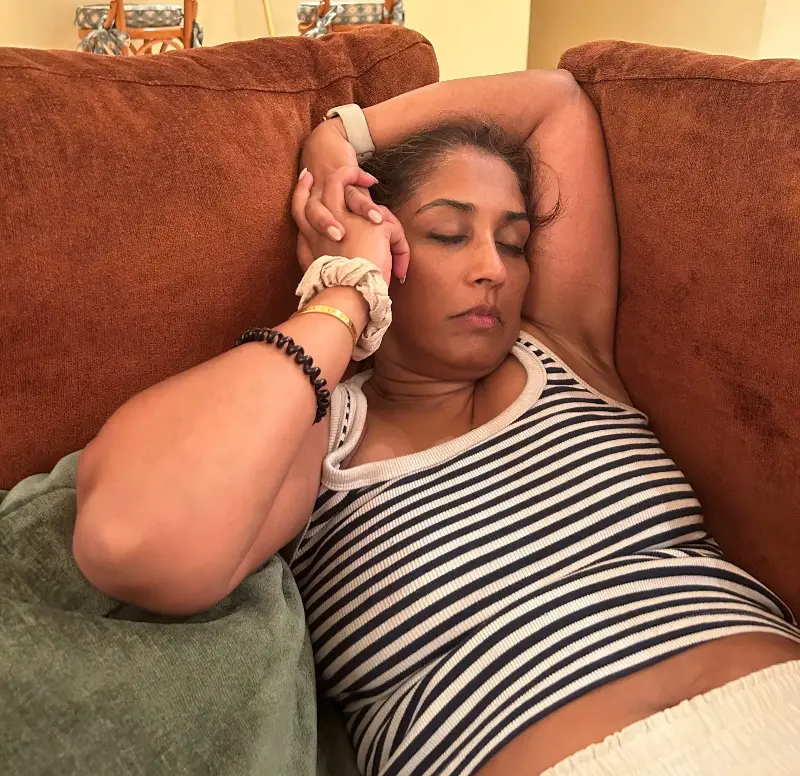
In my experience, weight gain can be accepted as an inevitable part of ageing among older women in South Asian communities. But I wasn’t ready to accept that this was simply how the rest of my life had to be.
In June 2018, several months after my mother’s death, I got dressed up for a friend’s 50th birthday party and looked in the mirror. I barely recognised myself. I had bought a whole new wardrobe of loose, smock-style tops and elasticated trousers and skirts to conceal my stomach. Previously, I would have worn fitted jeans with a nice blouse tucked in.
Before heading out, my friends and I took photographs in the garden. I zoomed in on my face and noticed that, despite my smile, there was no life behind my eyes. Even then, it took several more months for me to act.
A sustainable approach
I remember the exact day I decided to make a lasting change: November 26 2018. With my 50th birthday approaching, I began thinking about how much of my life might still lie ahead. If I lived to 80, I could have another 30 years. I didn’t want to spend them feeling as though I had given up on myself.
I thought about my mother and how she had continued to embrace life, even when faced with challenges. I wanted to honour her example by taking better care of myself. I decided to make changes that morning. Another crash diet or endless cardio sessions wouldn’t be the answer. I needed a routine I could sustain.
I started by booking a GP appointment to investigate my fatigue and brain fog. They ordered a thorough blood test which investigated everything – including cholesterol, liver enzymes, kidney function, thyroid levels, oestrogen, progesterone, testosterone and more. The results suggested that I was perimenopausal. That prompted me to research the changes my body was going through and what I could do to feel stronger and healthier.
I wanted to be fit and healthy enough to run around with the grandchildren I hope to have one day. I couldn’t bear the thought of being a frail grandmother sitting in the corner, only able to bounce a child on my lap.
Rikky and I also share a far-off dream of owning a sports car. If that day comes, I want to be able to climb out of its low passenger seat with ease and elegance, rather than struggling to support myself.
My plan of action
My first priority was exercise. Through my research, I discovered the benefits of strength training for women in midlife.
Rikky and I started going to the gym together three times a week, following a similar weightlifting routine and focusing on a different muscle group each session. He lifted heavier weights than I did, but I began challenging myself to lift progressively heavier ones, even if that meant managing only five or six repetitions.
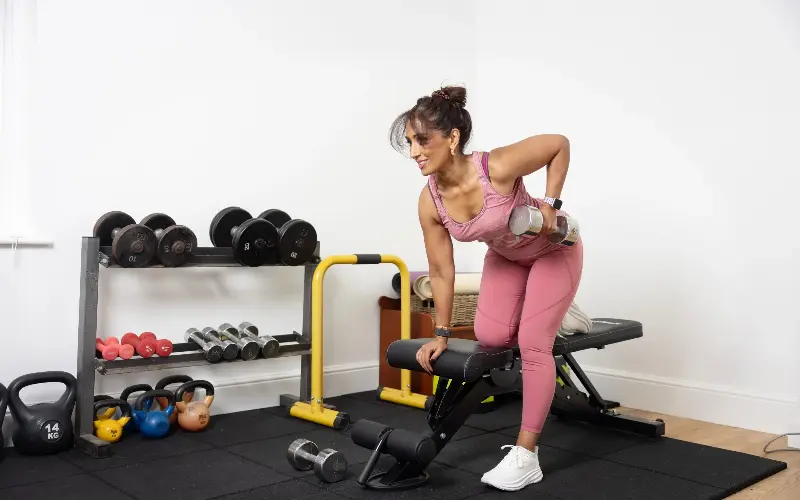
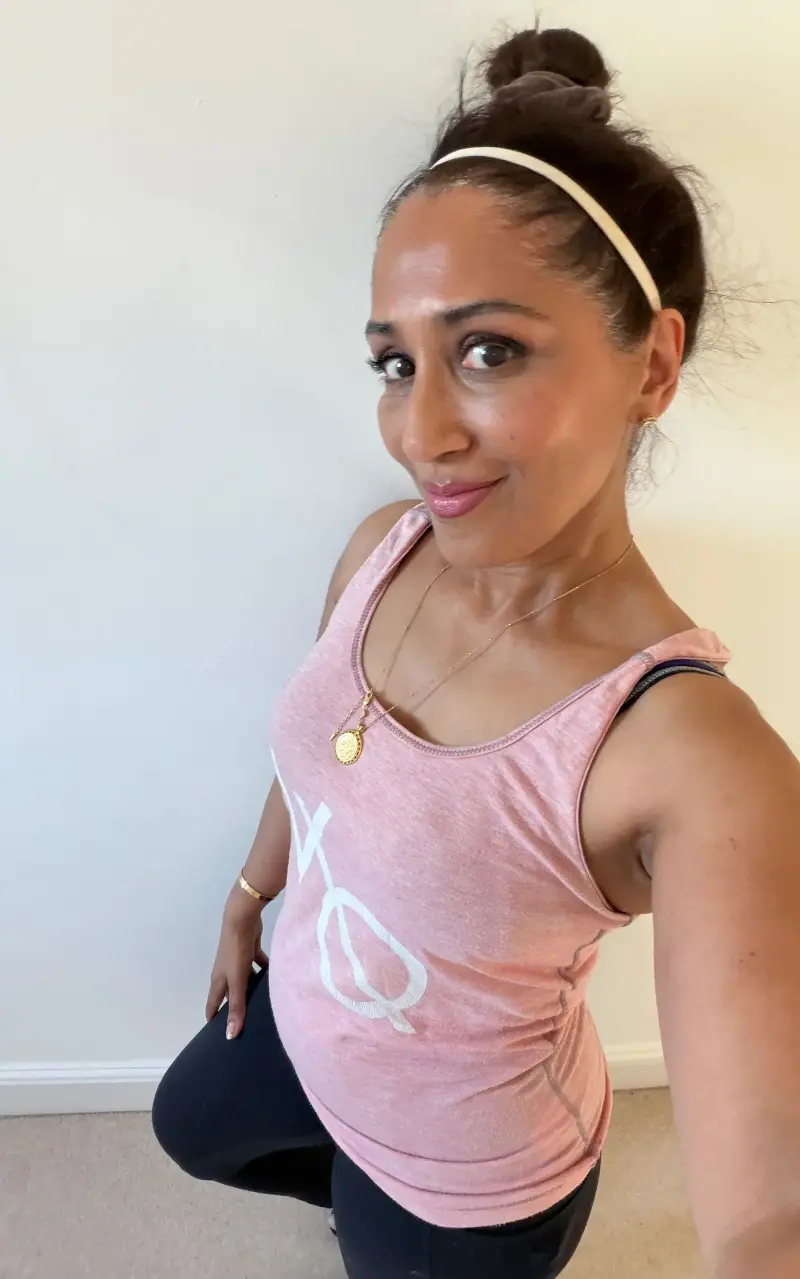
I used to worry that lifting heavy weights would make me look “bulky”, but I learnt that building substantial muscle takes considerable work. Plus, women generally have lower testosterone levels than men. Within a month of consistent strength training, I felt more toned and confident. I was hooked. Now, at 57, I can deadlift more than 50kg and perform sets of 15 to 20 full press-ups.
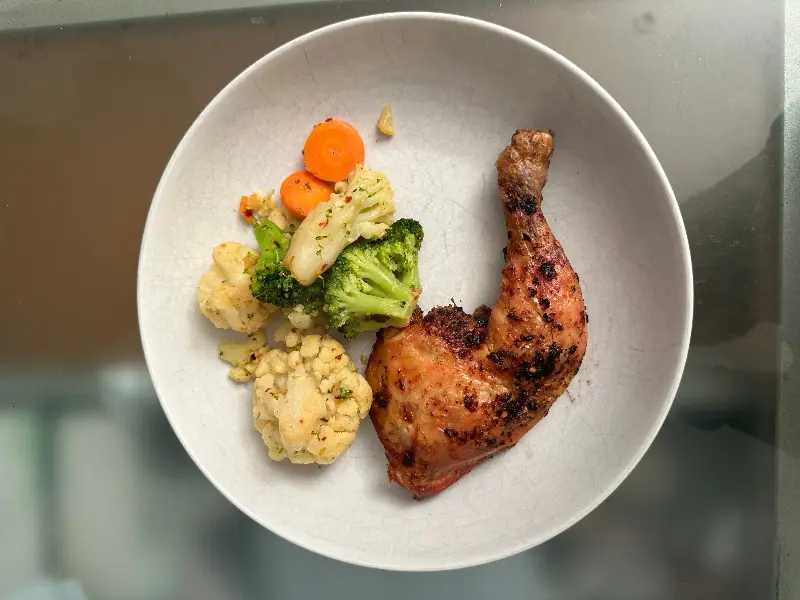
My next priority was food. Instead of relying on black coffee until lunchtime, I started each day with a large bowl of Greek yoghurt topped with berries, ate eggs on sourdough for lunch, snacked on fruit in the afternoon and finished the day with chicken or salmon and a big pile of vegetables.
I aimed for 120g of protein a day, rather than relying on caffeine and carbohydrates to power me through. I also made lunch my biggest meal and ate a lighter dinner at 6pm, rather than having a large meal at 8pm and snacking until bedtime. I felt more satiated, focused and energetic, and my sleep improved.
Looking ahead
The results weren’t instant. It took six months before I began to feel truly happy and confident again. But I had found a routine I could stick to and genuinely enjoy.
Previously, I would dread birthday parties where I knew there would be lots of indulgent food and drink. Just a month after starting my fitness journey, we went to a restaurant for my son’s birthday. I remember enjoying the food without worrying about how I would “burn it off” the next day. Finally, being free of that constant mental battle felt amazing.
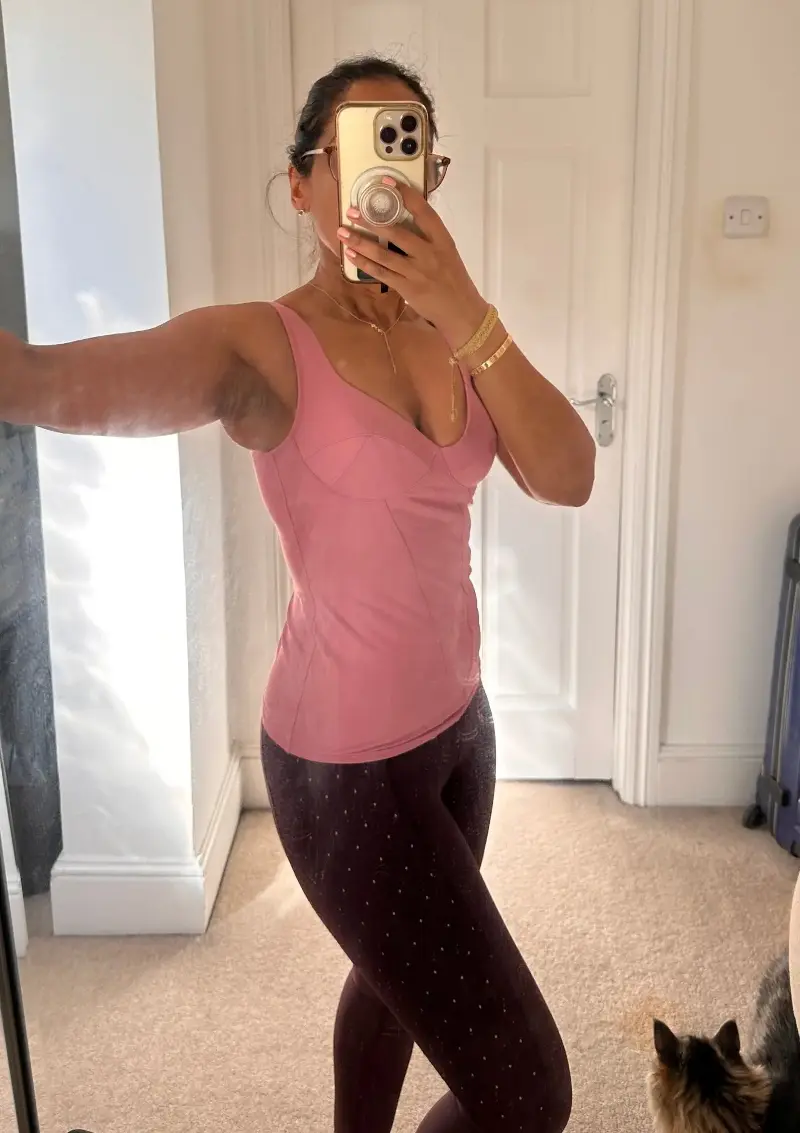
By May 2019, I felt confident enough to pull a white linen shirt from the back of my wardrobe and wear it tucked into fitted jeans. But the biggest change was how I felt mentally. I had so much more energy and confidence once I shifted my focus from trying to shrink my body to keeping it strong for the future. Now, I’m working towards gaining another 4.4lb of skeletal muscle mass.
This summer, our family went on holiday and I decided to try learning trapeze with my children. It sounds silly, but I genuinely don’t think I would have given it a go when I was at my biggest and most uncomfortable. Now, I’m more inclined to try things rather than talk myself out of them. Life is too short to be scared.
My new healthy direction
Just before the Covid pandemic in 2020, I noticed that a few friends were asking for advice on their own weight loss and fitness journeys. Since graduating from university at 21, I had wanted to return to studying once my children were grown up. So, at 51, I decided to qualify as a personal trainer.
I was passionate about fitness and wanted to learn more, although I didn’t initially expect to make much use of the qualification. Who would want to learn from a woman who had only started taking her health seriously in her 50s?
During the pandemic, I decided to run a few online classes and was amazed by the number of women who signed up. Now, I help midlife women improve their health and fitness, and often see changes in their confidence and outlook that remind me of my own journey.
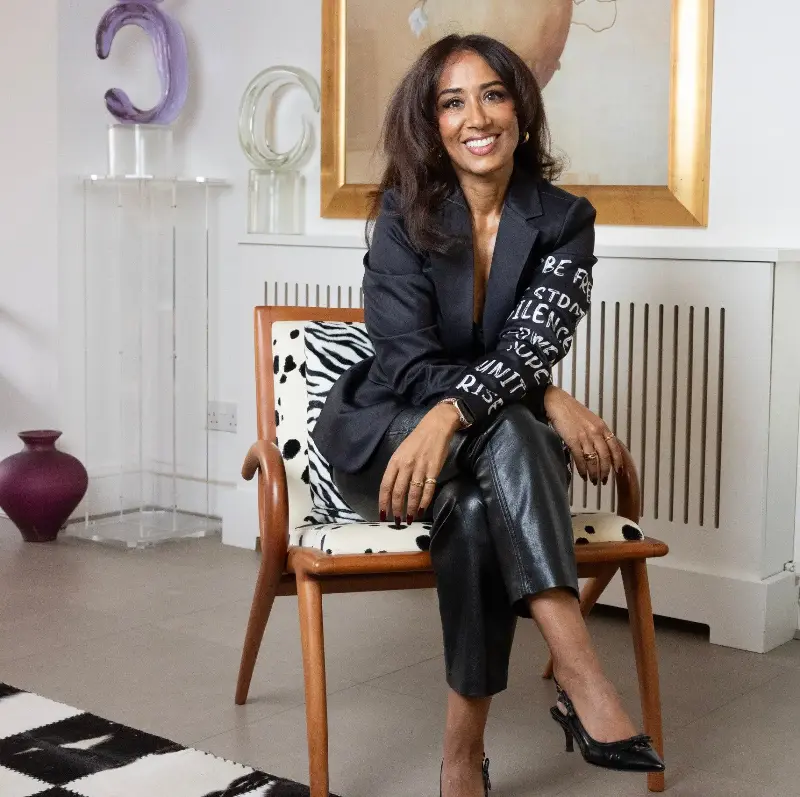
My number one piece of advice is that it’s never too late to start. Rather than trying to overhaul your entire life, make sustainable changes you can stick to in the long term. And remember that taking care of your own health isn’t selfish. I speak to lots of mothers who feel guilty about spending an hour in the gym or a Sunday afternoon preparing meals for the week.
Try to reframe it: if you spend a little time looking after yourself and feel better as a result, you’ll have more energy to be present for the people around you. Ageing is inevitable, but we can all take steps to stay healthy and active for as long as possible.
As told to Ella Nunn
Ambarina Hasan is a London-based beauty and lifestyle journalist, qualified personal trainer and nutrition coach who focuses on midlife fitness and wellbeing. Find her on Instagram @beautywithbackbone