


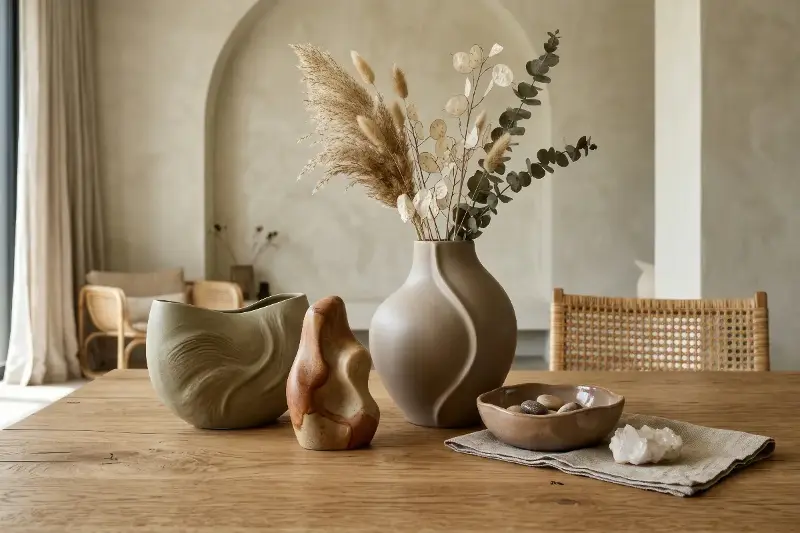
Minimalist ceramics are reshaping modern interiors with a quiet confidence that feels both timeless and fresh. In homes filled with digital screens, fast furniture, and visual noise, a hand-thrown vase or matte stoneware bowl offers a welcome pause. These objects do not need bright colors, elaborate patterns, or oversized forms to make an impression. Their appeal lies in simple silhouettes, tactile surfaces, and subtle variations created by the maker’s hand.
From creamy white tableware to sculptural charcoal vessels, ceramics have become central pieces in living rooms, kitchens, bedrooms, and workspaces. They bring warmth to sleek interiors without adding clutter, making them a natural fit for contemporary living.
Why Simplicity Feels Luxurious
Minimalist ceramics prove that luxury does not require heavy ornamentation. A low, wide bowl with an unglazed exterior or a softly irregular vase looks refined because attention is focused strictly on material, proportion, and finish. The absence of heavy decoration allows you to notice subtle details: the curve of a rim, the raw texture of clay, or the soft transition where glaze meets bare ceramic.
This design philosophy connects strongly with wabi-sabi, a Japanese aesthetic that values natural materials, quiet simplicity, and the beauty of imperfection:
-
Individual Character: A tiny variation in a handmade cup is not a flaw, but a mark of its unique origin.
-
Tactile Surfaces: Unfinished clays and satin-matte glazes invite touch, making a room feel grounded.
-
Visual Calm: Shades of chalk, sand, oatmeal, charcoal, terracotta, and soft grey blend effortlessly with wood, linen, metal, glass, and stone.
Materials That Add Depth
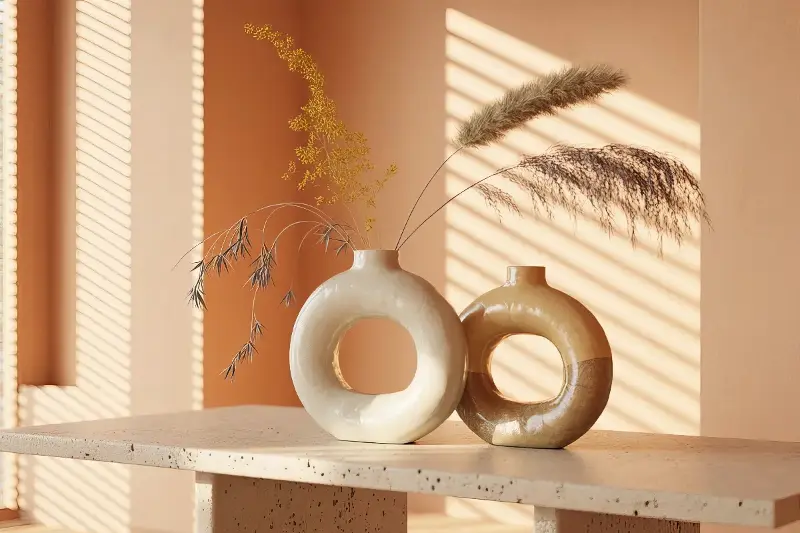
Ceramics stem from simple natural elements—clay, water, and minerals—yet final results vary dramatically based on firing temperatures and glazes.
-
Stoneware: Fired at high temperatures (between 1,180°C and 1,300°C), stoneware is dense, durable, and ideal for everyday plates, mugs, serving dishes, and planters.
-
Porcelain: Crafted largely from kaolin clay, porcelain offers a delicate, often translucent appearance while remaining surprisingly strong after firing. It excels in clean-lined vases, lampshades, and refined tableware.
-
Earthenware: Fired at lower temperatures, earthenware has a warmer, porous quality. Its rustic finish brings instant softness to spaces dominated by concrete, steel, or glass.
Unlike mass-produced plastic accessories, authentic ceramic objects carry weight, temperature, and texture that enrich a home's sensory environment.
From Tableware to Sculpture
One of the most compelling trends in contemporary design is treating practical ceramics as fine decorative art. A single handcrafted pitcher can serve as the focal point of a dining table, while a cluster of small bowls adds quiet interest to open kitchen shelving.
Large sculptural vessels are exceptionally effective in minimalist homes. Positioned on a console table, fireplace ledge, or floor beside a reading chair, a bold ceramic piece provides form and presence without requiring additional styling. A well-proportioned vessel does not even need flowers to look complete—its silhouette alone makes a strong statement.
How Ceramics Soften Modern Spaces
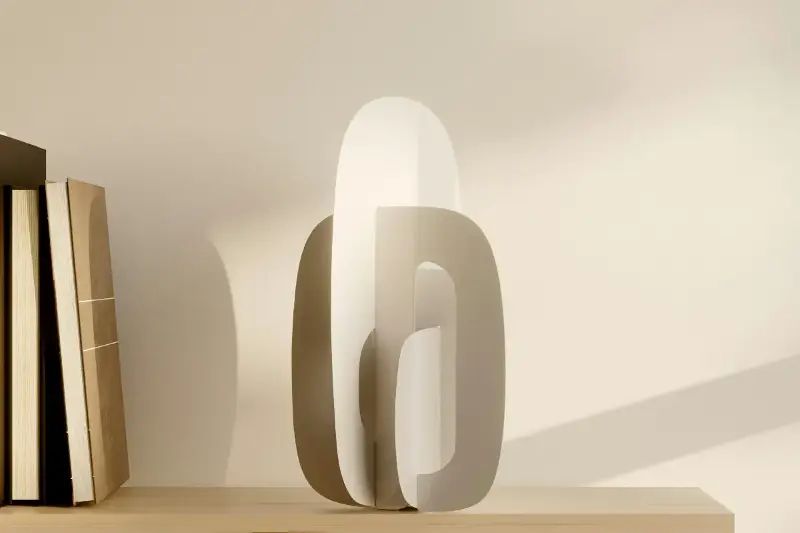
Modern interior architecture relies heavily on straight lines, open layouts, and smooth, hard surfaces. While elegant, these features can feel sterile without varied textures. Ceramics offer a simple way to balance that effect:
-
Kitchens: Offset flat-front cabinets and cold stone countertops with a collection of textured, handmade mugs.
-
Bathrooms: Replace mass-market containers with a ceramic soap dish, tray, or toothbrush tumbler to make daily routines feel more considered.
-
Bedrooms: Introduce a ceramic lamp base or small incense dish to add a calming, artistic touch near the bed.
The key is restraint. Rather than crowding every shelf, display a few select pieces with contrasting heights and finishes—such as pairing a smooth matte vase alongside a raw, heavily textured clay bowl.
A More Thoughtful Approach to Decorating
Minimalist ceramics encourage slower, more intentional homemaking. Investing in a few versatile, well-made pieces offers lasting utility and style. A single well-crafted ceramic bowl might serve fruit on a kitchen island, hold keys on an entryway table, or anchor a formal dining arrangement.
As interior trends prioritize comfort, authenticity, and natural materials, minimalist ceramics remain a enduring choice. Their beauty is neither loud nor fleeting—it rests in functional forms, honest materials, and the human touch visible in every curve and glaze.